Key Takeaway
What are the best windows for west-facing rooms?
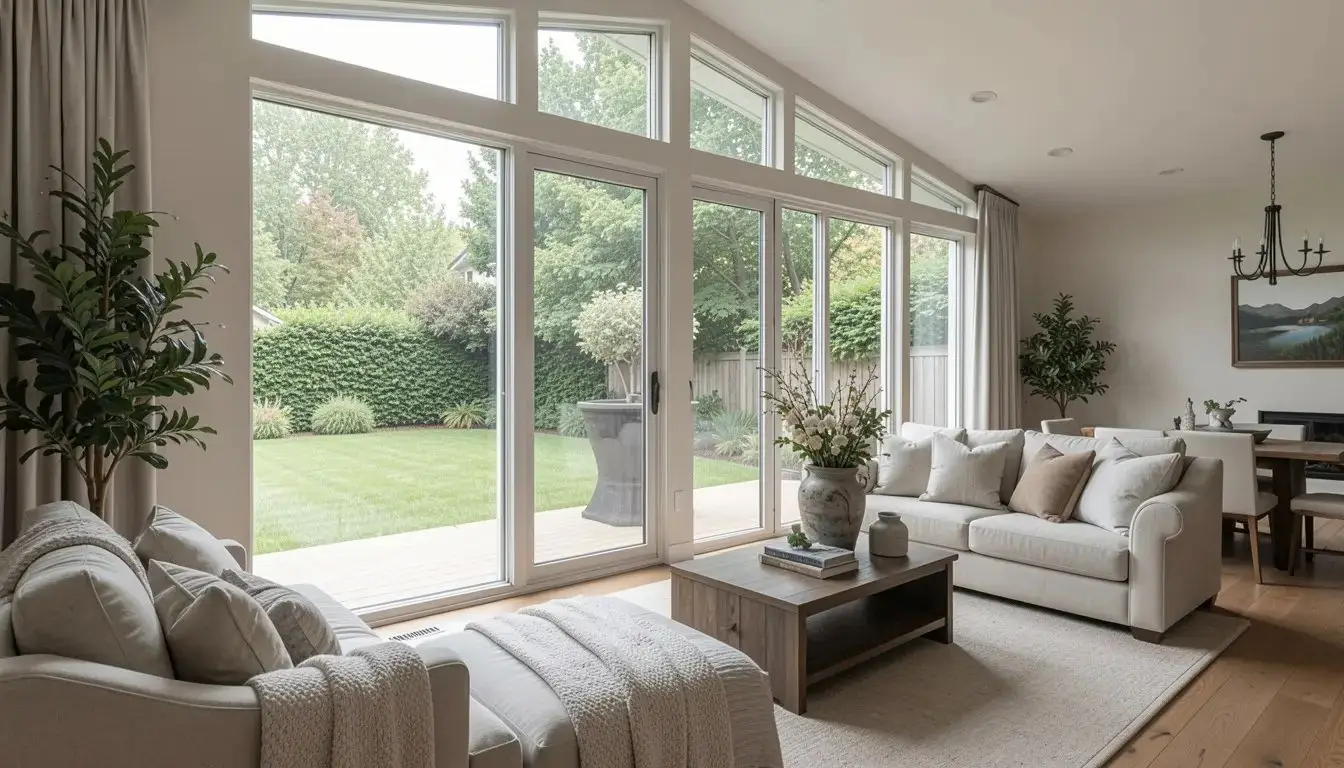
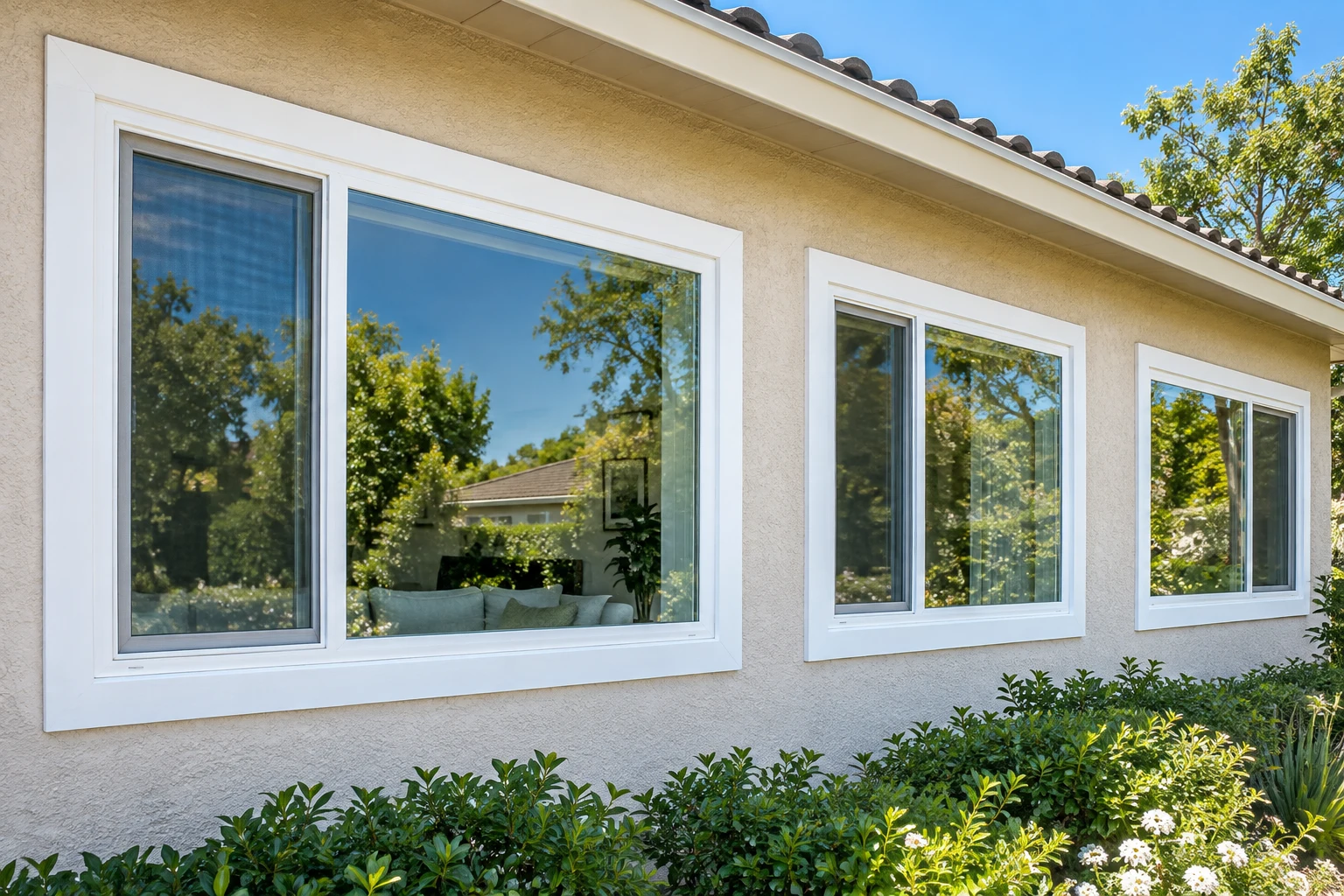
The best windows for west-facing rooms are energy-efficient replacement windows designed to block solar heat gain during the afternoon. Features such as Low-E glass coatings, dual-pane construction, argon gas fills, and insulated vinyl frames help reduce heat transfer while maintaining natural light.
West-facing rooms receive direct sunlight during the hottest hours of the day, making them especially vulnerable to overheating. Modern replacement windows with advanced solar-control glass can significantly improve comfort, reduce glare, and help your air conditioning system operate more efficiently.
For many Southern California homeowners, upgrading to Low-E replacement windows is one of the most effective ways to make west-facing rooms more comfortable year-round.
- Heat Reduction & Solar Control Guide
West-facing rooms often become the hottest spaces in the home because they receive intense afternoon sunlight during the warmest part of the day. Learn which replacement windows help reduce solar heat gain, glare, and cooling costs.
Window Replacement Experts • Low-E Glass Technology • Energy-Efficient Solutions • Serving Southern California Homeowners
Summary
- West-facing rooms receive the most intense afternoon sunlight.
- Solar heat gain is a major cause of room overheating.
- Low-E glass helps reflect infrared heat away from the home.
- Dual-pane windows improve insulation and comfort.
- Argon gas fills reduce heat transfer through the glass.
- Modern replacement windows help reduce cooling demands and improve indoor comfort.
Why West-Facing Rooms Get So Hot
West-facing rooms are often the hottest rooms in the home because they receive direct sunlight during the warmest part of the day. Unlike east-facing rooms that receive morning sun when temperatures are lower, west-facing rooms absorb intense afternoon solar radiation when outdoor temperatures have already reached their peak.
As sunlight passes through the glass, it heats floors, walls, furniture, and other interior surfaces. These materials absorb the energy and slowly release it back into the room, causing temperatures to remain elevated well into the evening. This process, often called solar heat gain, is one of the primary reasons west-facing bedrooms, living rooms, and home offices become uncomfortable despite running the air conditioner.
Why Air Conditioning Alone Often Isn’t Enough
Many homeowners assume their air conditioner is the problem when a west-facing room stays hot. In reality, the HVAC system is often working correctly but struggling to keep up with the constant heat entering through the windows.
During the late afternoon, solar heat gain can add a significant thermal load to the room. The air conditioner must continuously remove this heat while also cooling the rest of the house. As a result, west-facing rooms often remain warmer than surrounding areas even when the HVAC system is operating normally.
This challenge is especially common in Southern California, where clear afternoon skies and intense sunshine create ideal conditions for excessive solar heat gain.
The Problem With Older Windows
Older windows were not designed to manage modern energy-efficiency demands. Single-pane glass, aging dual-pane units, and older aluminum window frames allow large amounts of solar heat to enter the home.
Many older windows lack advanced Low-E coatings that help reflect infrared heat. Clear glass allows a significant portion of the sun’s energy to pass directly into the room, increasing indoor temperatures and forcing cooling systems to work harder.
If your home still has older aluminum windows or outdated glass packages, they may be one of the largest contributors to afternoon overheating.
What Makes a Window Good for West-Facing Rooms?
The best windows for west-facing rooms are designed to minimize solar heat gain while still allowing natural light into the home.
Key features include:
- Low-E glass coatings that reflect infrared heat
- Dual-pane insulated glass units
- Argon gas fills between glass panes
- Thermally efficient vinyl window frames
- Advanced weather sealing systems
- Low Solar Heat Gain Coefficient (SHGC) ratings
These technologies work together to reduce the amount of solar energy entering the room while improving overall thermal performance.
How Low-E Glass Helps Block Afternoon Heat
Low-E glass is one of the most effective technologies available for west-facing windows. A microscopically thin metallic coating reflects infrared heat away from the home while still allowing visible light to pass through the glass.
This means homeowners can enjoy natural daylight without experiencing the same level of solar heat gain associated with standard clear glass.
Modern Low-E products such as Low-E 366 are specifically engineered to perform well in hot climates and can significantly improve comfort in rooms exposed to strong afternoon sunlight.
Why Solar Heat Gain Matters
One of the most important performance measurements for west-facing windows is Solar Heat Gain Coefficient (SHGC).
SHGC measures how much solar radiation passes through a window assembly. Lower SHGC values indicate better resistance to solar heat gain.
Windows designed for hot climates generally feature lower SHGC ratings, helping reduce overheating, lower cooling demands, and improve indoor comfort throughout the day.
Benefits of Replacing Windows in West-Facing Rooms
- Reduced afternoon overheating
- Improved indoor comfort
- Less glare from direct sunlight
- Lower cooling demands
- More balanced temperatures throughout the home
- Improved energy efficiency
- Protection against UV-related fading
Many homeowners notice that west-facing rooms become significantly more usable after upgrading to modern replacement windows designed for solar control.
Signs Your West-Facing Windows May Need Replacement
- The room becomes uncomfortable every afternoon.
- The AC runs constantly during warm weather.
- You can feel heat radiating from the glass.
- Furniture and flooring near windows become hot.
- You have single-pane or older aluminum windows.
- You experience excessive glare during the afternoon.
- Your energy bills continue to rise during summer months.
If these symptoms sound familiar, replacing outdated windows may be one of the most effective long-term solutions for improving comfort and reducing heat gain.
Choosing the Right Window Solution
Not every replacement window performs the same. Homes with significant west-facing exposure benefit most from glass packages designed specifically for solar control.
Many Southern California homeowners choose dual-pane vinyl replacement windows with Low-E 366 glass and argon gas fills because they offer an excellent balance of daylight, comfort, UV protection, and heat reduction.
The right window configuration can help transform an uncomfortable west-facing room into a space that remains comfortable throughout the day, even during the hottest months of the year.
At a Glance
- Intent
Heat Reduction
- Problem
Hot Rooms
- Climate
West Facing Sun
- Recommended Solution
Dual-pane replacement windows with Low-E 366 or advanced solar-control glass, argon gas fills, and insulated vinyl frames designed to block intense afternoon heat and reduce solar heat gain.
Technical Explanation: Why West-Facing Rooms Overheat
West-facing rooms experience unique thermal challenges because of the relationship between solar position, solar radiation intensity, and building physics. During the afternoon, the sun moves lower in the western sky and strikes west-facing windows at an angle that maximizes solar energy transmission through the glass.
Solar Heat Gain Through Windows
When sunlight reaches a window, part of the energy is reflected, part is absorbed by the glass, and part passes directly through into the room. The transmitted energy is absorbed by interior surfaces such as flooring, furniture, walls, and occupants.
These surfaces then release heat back into the room as long-wave infrared radiation. Because standard glass is less effective at allowing this heat to escape, energy becomes trapped indoors, creating a greenhouse effect that increases room temperatures.
Why Afternoon Sun Is More Problematic
West-facing windows receive direct sunlight during the hottest hours of the day, typically between 3 PM and 7 PM. This period combines peak outdoor temperatures with peak solar exposure, creating the highest cooling load experienced by the home.
Unlike south-facing windows that can benefit from roof overhangs and shading, west-facing windows are often exposed to low-angle sunlight that bypasses many traditional shading strategies.
Solar Heat Gain Coefficient (SHGC)
Solar Heat Gain Coefficient, or SHGC, measures the fraction of solar radiation that passes through a window assembly.
A lower SHGC value indicates greater resistance to solar heat gain. For homes in hot climates, lower SHGC ratings are generally preferred because they reduce the amount of solar energy entering the building envelope.
How Low-E Glass Works
Low-E glass utilizes microscopically thin metallic coatings that are engineered to reflect infrared heat while remaining transparent to visible light.
In cooling-dominated climates, these coatings are typically placed on the interior surface of the exterior pane to intercept solar energy before it enters the insulated glass cavity. This helps reduce heat transfer while maintaining daylight transmission.
Low-E 366 Performance
Low-E 366 is a triple-silver Low-E coating designed to provide a balance between visible light transmission and solar control. The coating helps reduce solar heat gain, block ultraviolet radiation, and improve overall thermal performance compared to standard clear glass.
The Role of Argon Gas
Modern dual-pane windows often use argon gas between glass panes. Argon is denser than air and transfers heat more slowly, helping improve insulation performance and reduce conductive heat transfer through the window assembly.
Thermal Comfort Beyond Air Temperature
Human comfort depends on more than air temperature alone. Interior surfaces heated by direct sunlight increase mean radiant temperature, which can make occupants feel significantly warmer even when the thermostat indicates a comfortable setting.
By reducing solar heat gain, modern replacement windows help lower both room temperatures and radiant heat exposure, resulting in improved overall comfort.
Whole-Home Energy Benefits
Reducing solar heat gain through west-facing windows decreases cooling demand on HVAC systems. This can improve comfort, reduce air conditioner runtime, and contribute to overall energy efficiency goals throughout the home.
For homes experiencing persistent overheating issues, upgrading to modern dual-pane Low-E replacement windows is often one of the most effective strategies for controlling afternoon heat gain and improving indoor comfort.
Related Window Answers
Not sure if this is the right answer? Explore other options homeowners commonly consider.
【19†Why is my room hot even with AC running? A room can stay hot even when the air conditioner is running because heat is entering faster than the HVAC system can remove it. In many Southern California homes, aging windows are one of the biggest sources of unwanted heat gain. Direct sunlight passing through clear glass, west-facing windows, single-pane glass, failing seals, and outdated aluminum window frames can all increase indoor temperatures.
Even a properly functioning air conditioner may struggle to keep up when windows allow large amounts of solar heat into the room. Modern replacement windows with Low-E glass, insulated dual-pane construction, and thermally efficient frames help reduce heat transfer and improve comfort throughout the day. They can be especially beneficial for bedrooms, upstairs rooms, and west-facing spaces that experience intense afternoon sun. Learn More】
【20†Do replacement windows actually lower energy bills? Yes, modern energy-efficient replacement windows can help lower energy bills by reducing heat transfer, minimizing air leakage, and improving overall insulation. While savings vary based on climate, home construction, and existing window condition, many homeowners experience reduced heating and cooling costs after upgrading older single-pane or inefficient windows. Windows are a critical part of the home’s building envelope.
When older windows allow excessive heat gain, heat loss, or air infiltration, HVAC systems must work harder to maintain comfortable indoor temperatures. Energy-efficient replacement windows help reduce this workload and improve overall home performance. Learn More】
【21†What is Low-E 366 glass and why is it used in replacement windows? Low-E 366 glass is a high-performance window glass that uses three microscopic layers of silver to reflect heat, reduce solar heat gain, and block harmful UV rays while allowing natural light to enter the home. It is one of the most commonly recommended glass packages for energy-efficient replacement windows because it delivers an excellent balance of comfort, efficiency, and visibility.
For Southern California homeowners, Low-E 366 glass can help keep rooms cooler, reduce HVAC workload, and protect flooring and furnishings from sun-related fading. Learn More】
【22†What is the difference between Low-E glass and standard glass? Low-E glass is designed to reflect heat while allowing natural light to pass through, making it significantly more energy efficient than standard clear glass. Compared to standard glass, Low-E glass helps reduce solar heat gain, improve indoor comfort, block harmful UV rays, and support lower heating and cooling costs.
For most Southern California homeowners, Low-E glass is the preferred option because it helps keep homes cooler during hot weather while protecting furniture, flooring, and interior finishes from sun damage. Learn More】
【23†Are energy-efficient replacement windows worth the cost? For many homeowners, energy-efficient windows are worth the investment because they help reduce heat transfer, improve indoor comfort, lower strain on heating and cooling systems, and enhance overall home value. While energy savings vary by home and climate, modern windows often provide benefits that extend beyond utility bill reductions.
Homes with older single-pane windows, failing seals, or outdated aluminum frames typically see the greatest improvements after upgrading to modern energy-efficient replacement windows. Learn More】
【24†What are the best windows for an upstairs bedroom that gets hot? The best windows for upstairs bedrooms that get hot are energy-efficient replacement windows with Low-E glass, dual-pane insulated glass, argon gas fills, and vinyl or fiberglass frames. These windows reduce solar heat gain, block UV rays, and help keep second-story rooms more comfortable during hot Southern California summers.
Bedrooms located on upper floors often receive more direct sunlight and are affected by heat rising through the home. Upgrading older windows can significantly reduce heat transfer and improve indoor comfort while helping your HVAC system work more efficiently. Learn More】
How do replacement windows reduce heat in a home? Replacement windows reduce heat by slowing down heat transfer and limiting solar heat gain. Modern windows use Low-E glass coatings to reflect infrared heat, argon gas to improve insulation, dual-pane construction to create thermal barriers, and energy-efficient frames that reduce heat conduction. Together, these technologies help keep homes cooler, improve indoor comfort, and reduce the workload on air conditioning systems. Learn More
【26†What are the best replacement windows for keeping a house cool in hot climates? The best windows for hot homes are energy-efficient vinyl replacement windows with Low-E glass and argon gas-filled dual-pane glass units. These windows help reduce solar heat gain, block harmful UV rays, and improve indoor comfort by preventing excessive heat from entering the home.
For Southern California homeowners, Low-E 366 glass is often one of the most effective options for reducing heat transfer and lowering cooling costs. Learn More】
Serving Homeowners Throughout Southern California
Total Home Windows provides professional window replacement services across Southern California. Explore nearby service areas to learn about local window solutions, climate considerations, and replacement options available in your community.
Highland Is your Highland home still hot even when the AC is running nonstop? At Total Home Windows, we’ve helped thousands of local families discover the surprising truth: it’s almost always the windows—not just your air conditioner—that make or break indoor […] Learn More
Colton Is your Colton home staying hot no matter how hard your AC runs? Old, inefficient windows are often the real culprit—letting heat, dust, and noise pour inside—while your cooling system struggles to keep up. At Total Home Windows, we specialize […] Learn More
Rialto If your Rialto home is constantly too hot—even with the AC running—your windows are most likely to blame. At Total Home Windows, we help Rialto families stop unwanted heat, lower utility bills, and reclaim indoor comfort by identifying and replacing […] Learn More
Fontana Fontana Homes Are Often Hot Because of the Windows, Not the AC If your Fontana home stays hot even with the AC running, the problem is often the windows, not the cooling system. Total Home Windows starts by finding where […] Learn More
Corona If your Corona home stays hot even with the AC running, the problem may not start with the air conditioner. In many homes, heat is entering through old or inefficient windows faster than the AC can remove it, and Total […] Learn More
Ontario If your Ontario home stays hot even when the AC is running, the AC may not be the only problem. Older windows can allow heat through the glass, around the frame, and through weak seals. Total Home Windows helps Ontario […] Learn More
Riverside Riverside homeowners deal with a very different window problem than homeowners closer to the coast. The weather is hotter, the sun is stronger, and many homes were built with windows that no longer match the way people use their homes […] Learn More
San Bernardino If your home in San Bernardino feels hot even with the AC running, you’re not imagining it—and it’s not always just your cooling system. In inland areas like San Bernardino, long summer days, direct sun exposure, and older home construction […] Learn More
Eastvale If your home in Eastvale still feels hot even with the AC running, your windows are likely the problem. Total Home Windows identifies exactly where heat is entering and replaces inefficient windows with solutions designed to keep your home cooler […] Learn More
Rancho Cucamonga If your home in Rancho Cucamonga still feels hot even with the AC running, your windows are likely the reason. Total Home Windows helps homeowners identify exactly where heat is entering and replaces inefficient windows with solutions that actually work. […] Learn More
Frequently Asked Questions
Why are west-facing rooms hotter than other rooms?+
West-facing rooms receive direct afternoon sunlight when outdoor temperatures are already at their highest, resulting in significant solar heat gain through windows.
What type of glass is best for west-facing windows?+
Low-E glass is typically recommended because it helps reflect infrared heat while still allowing natural light to enter the room.
Do replacement windows help reduce afternoon heat?+
Yes. Energy-efficient replacement windows reduce solar heat gain and improve insulation, helping rooms stay more comfortable throughout the day.
Can west-facing windows increase energy bills?+
Yes. Excessive solar heat gain can force air conditioning systems to work harder, increasing cooling costs during warmer months.
Are dual-pane windows good for west-facing rooms?+
Dual-pane windows provide better insulation than single-pane windows and can significantly improve comfort when paired with Low-E glass and argon gas fills.
Will new windows reduce glare from afternoon sunlight?+
Many modern window systems use advanced Low-E coatings that help reduce glare while maintaining natural daylight and outdoor visibility.
NEXT STEP
Keep West-Facing Rooms Cooler With Energy-Efficient Replacement Windows
If your west-facing rooms become uncomfortably hot during the afternoon, your windows may be allowing excessive solar heat into your home. Modern replacement windows are designed to reduce heat gain, improve comfort, and help your HVAC system work more efficiently.
Total Home Windows helps Southern California homeowners choose replacement windows tailored to their home’s sun exposure, comfort goals, and energy-efficiency needs. Schedule a free consultation to learn which window solutions are best for your west-facing rooms.
Call: (310) 729-3013
Request Free Estimate