Key Takeaway
How are retrofit windows installed?
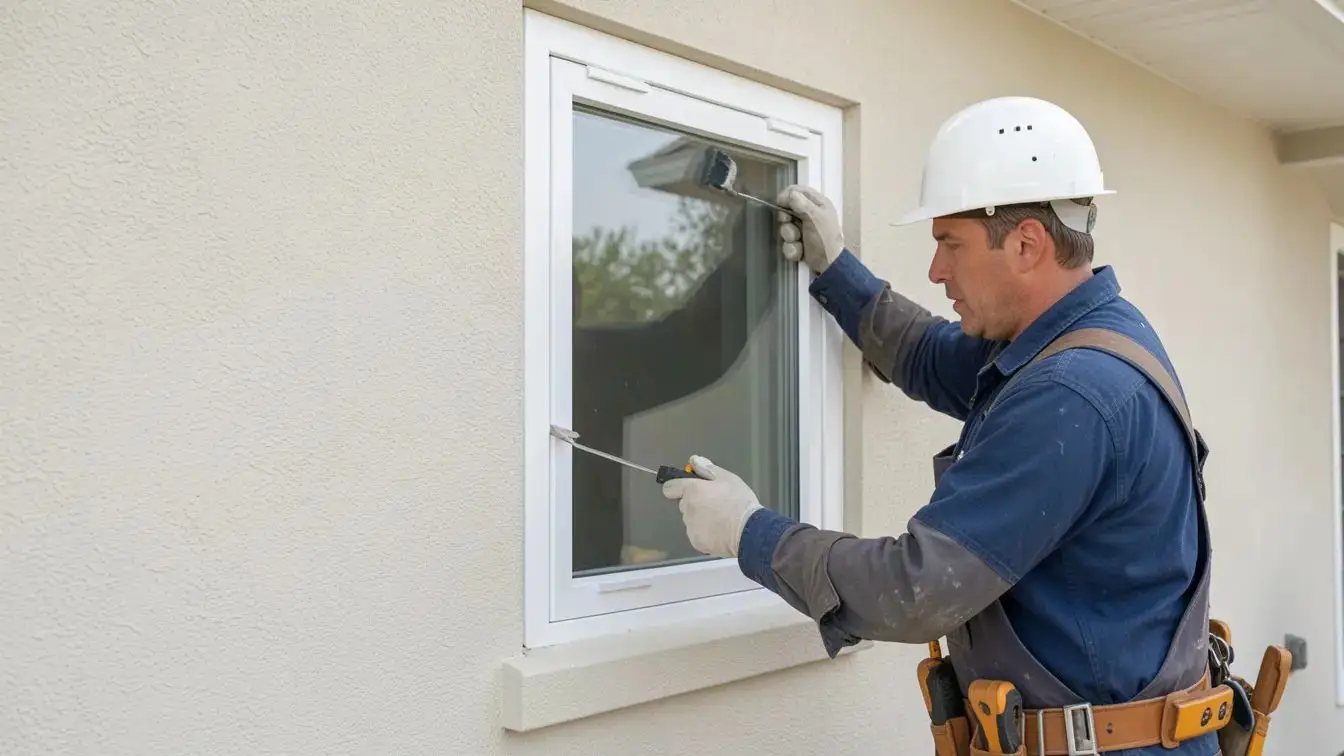
Retrofit windows are installed within the existing window frame, allowing homeowners to upgrade their windows without removing exterior stucco, siding, or surrounding wall materials. The installer removes the old operable window components, prepares the opening, and secures the new replacement window inside the existing frame.
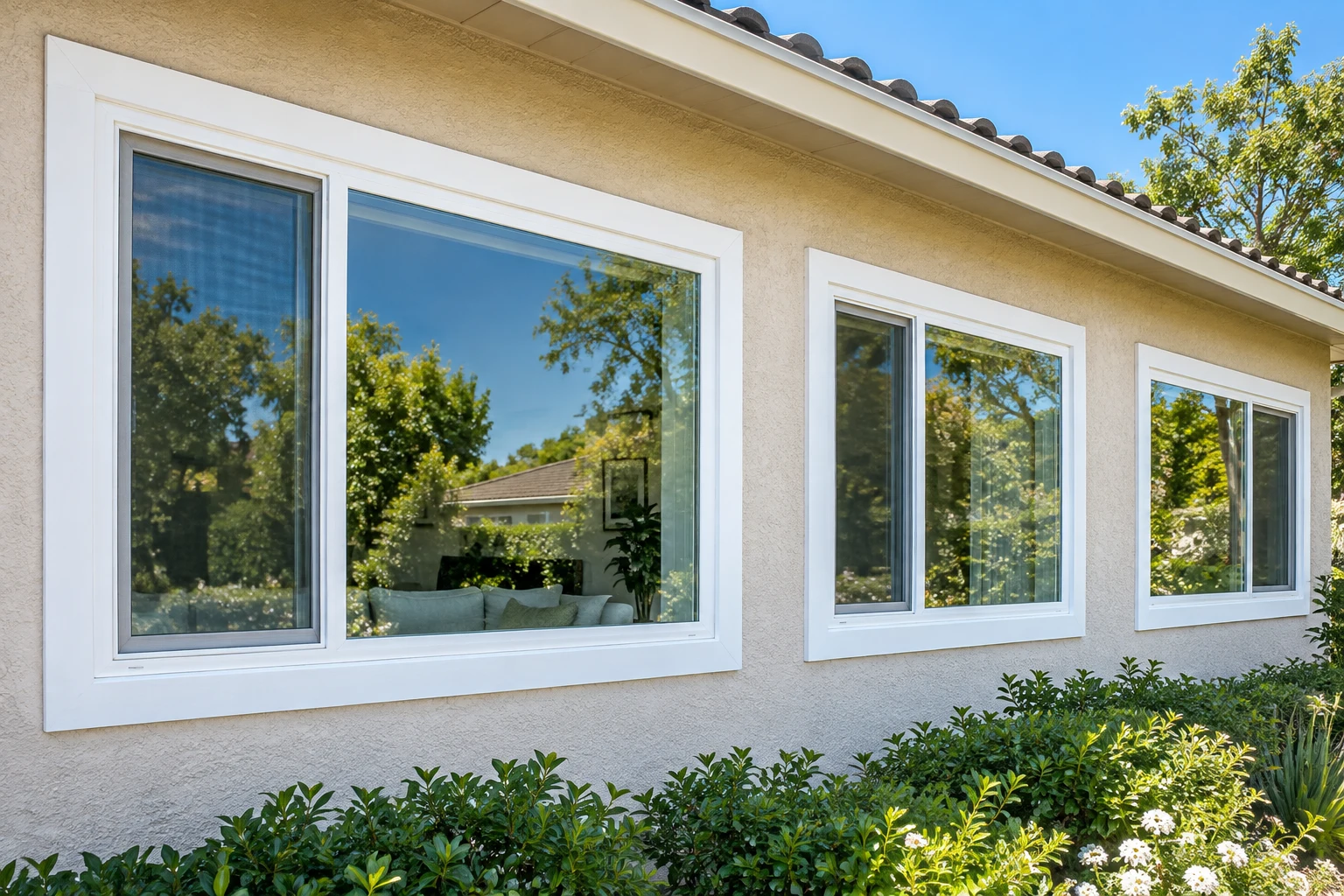
In many Southern California homes, retrofit installation uses a flush-fin design that covers the original window frame while preserving the home’s exterior finish. This approach minimizes disruption, reduces installation time, and provides a clean finished appearance.
When performed correctly, retrofit window installation improves energy efficiency, comfort, and curb appeal while avoiding the cost and complexity of full structural window replacement.
- Retrofit Window Installation Guide
Retrofit windows are designed to replace old windows without removing exterior stucco or siding. Learn how the installation process works and why retrofit replacement is a popular choice throughout Southern California.
Window Replacement Experts • Stucco-Friendly Installation • Energy-Efficient Upgrades • Serving Southern California Homeowners
Summary
- Retrofit windows are installed within the existing window frame.
- Exterior stucco and siding typically remain undisturbed.
- Flush-fin systems are commonly used in Southern California homes.
- The installation process is less invasive than full-frame replacement.
- Proper sealing and insulation are critical for long-term performance.
- Retrofit windows improve comfort, efficiency, and appearance.
What Are Retrofit Windows?
Retrofit windows, sometimes called replacement windows or insert windows, are designed to fit within an existing window frame without requiring major structural modifications to the home. Instead of removing exterior stucco, siding, or interior wall finishes, the new window is installed inside the existing opening, creating a faster and less invasive replacement process.
This installation method is especially popular throughout Southern California, where many homes feature stucco exteriors and original aluminum window frames. Retrofit installation allows homeowners to upgrade comfort, energy efficiency, and appearance while preserving the integrity of the home’s exterior finishes.
Why Homeowners Choose Retrofit Window Installation
One of the biggest advantages of retrofit windows is that the installation process minimizes disruption. Because the existing frame remains in place, installers can often complete projects faster and with less construction compared to full-frame replacement methods.
Retrofit installation may be an ideal solution when the existing frame remains structurally sound and free of significant rot, water damage, or structural deterioration.
Benefits often include:
- Preserving exterior stucco and siding
- Reduced installation time
- Less disruption to daily life
- Lower labor costs compared to full-frame replacement
- Improved energy efficiency
- Enhanced comfort and appearance
- Minimal interior repairs
The Retrofit Window Installation Process
While every home is unique, most retrofit window projects follow a similar installation process designed to ensure proper fit, performance, and weather protection.
Step 1: Evaluating the Existing Window Opening
The process begins with a detailed inspection of the existing window system. Installers evaluate the condition of the frame, surrounding structure, weather barriers, and exterior finishes.
Accurate measurements are taken to ensure the replacement window is manufactured to fit the existing opening precisely. Proper sizing is critical for long-term performance and appearance.
Step 2: Removing the Existing Operable Components
During retrofit installation, the operable portions of the old window are removed while the primary frame remains in place.
Depending on the window type, this may include removing:
- Window sashes
- Balance systems
- Tracks
- Hardware components
- Divider bars or mullions
The goal is to create a clean opening that can accept the new replacement window without disturbing the surrounding structure.
Step 3: Preparing the Existing Frame
Once the old components are removed, installers clean and prepare the remaining frame.
Any debris, loose materials, damaged sealants, or obstructions are addressed before installation begins. The opening must be level, stable, and capable of supporting the new window system.
This preparation stage helps ensure proper alignment and long-term durability.
Step 4: Installing the New Retrofit Window
The new replacement window is carefully positioned within the existing opening and secured according to manufacturer specifications.
Installers verify that the window is:
- Level
- Plumb
- Square
- Operating properly
Even small alignment issues can affect window performance, weather resistance, and long-term operation. Professional installation helps ensure the window functions as intended.
Understanding Flush-Fin Installation
Many Southern California homes use a specialized retrofit method known as flush-fin installation.
Rather than removing the original aluminum frame embedded within the stucco, the new replacement window is installed inside the existing frame. A built-in exterior fin covers the old frame and creates a clean finished appearance.
This approach helps preserve the surrounding stucco while maintaining the home’s weather barrier. It also avoids the extensive demolition and repair work that often accompanies full-frame replacement projects.
Sealing and Insulating the Opening
One of the most important parts of retrofit installation occurs after the new window has been secured.
Installers use specialized sealants and insulation materials to close gaps between the new window and the existing frame. Proper sealing helps reduce air infiltration, prevent water intrusion, and improve overall energy performance.
This stage plays a major role in achieving the comfort and efficiency benefits homeowners expect from replacement windows.
How Retrofit Windows Improve Energy Efficiency
While the installation method itself is important, many homeowners choose retrofit windows because of the performance improvements offered by modern window technology.
Today’s replacement windows may include:
- Dual-pane insulated glass
- Low-E glass coatings
- Argon gas fills
- Insulated vinyl frames
- Advanced weather sealing systems
These features help reduce heat transfer, improve comfort, and support more consistent indoor temperatures throughout the year.
Retrofit vs Full-Frame Window Replacement
Retrofit installation is not the right solution for every situation.
If the existing frame has extensive structural damage, water intrusion, rot, or significant deterioration, a full-frame replacement may be recommended.
However, when the existing frame remains structurally sound, retrofit installation often provides an efficient and cost-effective path to upgrading window performance without major reconstruction.
What Homeowners Can Expect During Installation
Most retrofit window projects involve significantly less disruption than full-frame replacement. Because installers are not removing stucco, siding, or interior wall finishes, work can typically proceed more quickly and cleanly.
Many homeowners are surprised by how efficiently retrofit installations can be completed while still delivering substantial improvements in comfort, appearance, and energy efficiency.
Choosing an Experienced Retrofit Window Installer
Even the highest-quality replacement window can underperform if installation is not executed correctly.
Proper measurements, weather sealing, insulation, alignment, and flashing practices all contribute to long-term window performance. Working with experienced retrofit window professionals helps ensure your investment delivers the comfort, efficiency, and durability you expect.
At a Glance
- Intent
Retrofit Windows
- Problem
Comfort Upgrade
- Climate
Older Southern California Homes
- Recommended Solution
Retrofit replacement windows professionally installed into existing window openings using flush-fin installation methods that preserve exterior stucco while improving comfort, efficiency, and appearance.
Technical Explanation: How Retrofit Window Installation Works
Retrofit window installation is an engineered replacement method that utilizes the existing window frame as part of the new window assembly. Unlike full-frame replacement, retrofit installation avoids disturbing surrounding wall systems, exterior cladding, and structural framing whenever possible.
The Purpose of the Existing Frame
In a retrofit application, the original frame remains in place and serves as the mounting surface for the replacement window.
Provided the frame remains structurally sound, this approach preserves the existing opening while minimizing disruption to the building envelope.
This methodology is particularly valuable in stucco-clad homes where removing the original frame could compromise the surrounding weather-resistant barrier.
Flush-Fin Window Design
Many retrofit systems used in Southern California incorporate a flush-fin or Z-bar design.
The replacement window includes an integrated exterior flange that extends beyond the frame and covers the original window perimeter. This creates a finished appearance while helping maintain weather resistance and minimizing the need for stucco modifications.
Air and Water Management
A critical objective of retrofit installation is maintaining the integrity of the building envelope.
Proper sealant placement, flashing details, and weather sealing systems help prevent uncontrolled air leakage and moisture intrusion around the window perimeter.
Because water management is essential to long-term building durability, installers carefully integrate the replacement window with existing drainage pathways and weather barriers.
Importance of Low-Expansion Foam
During installation, specialized low-expansion foam insulation is commonly used to fill voids between the replacement window and the existing frame.
Low-expansion products are designed to provide insulation without exerting excessive pressure that could distort the window frame or interfere with operation. Standard expanding foams may create enough force to affect window alignment and performance.
Structural Alignment Requirements
For proper operation, windows must be installed level, plumb, and square.
Even small alignment deviations can affect weather sealing, hardware performance, lock engagement, and sash movement. Shims are strategically placed to distribute loads and maintain frame geometry throughout the installation process.
Thermal Performance Benefits
Modern retrofit windows often achieve significantly better thermal performance than older window systems due to advances in glazing technology and frame design.
Features such as dual-pane glass, Low-E coatings, argon gas fills, and insulated frame systems reduce conductive, convective, and radiant heat transfer through the window assembly.
Building Envelope Preservation
One of the primary advantages of retrofit installation is preserving the home’s existing building envelope.
By avoiding unnecessary removal of stucco, siding, and interior finishes, retrofit installation reduces the risk of weather barrier disruption while maintaining architectural integrity. This makes the method particularly effective for many existing Southern California homes.
When Full-Frame Replacement Is Necessary
Retrofit installation depends on the condition of the existing frame. If inspection reveals significant structural deterioration, rot, water damage, or compromised framing, a full-frame replacement may be required to restore proper performance and durability.
The appropriate installation method should always be determined through a professional assessment of the existing window system and surrounding structure.
Related Window Answers
Not sure if this is the right answer? Explore other options homeowners commonly consider.
【19†How do I know if my windows need replacing? Common signs your windows need replacing include drafts, rising energy bills, condensation between glass panes, difficulty opening or closing windows, outside noise entering the home, and visible deterioration of frames or seals. While some minor issues can be repaired, many older windows lose their ability to insulate, seal properly, and provide comfort.
Replacing outdated windows with modern energy-efficient models can improve comfort, reduce heat transfer, and help lower cooling and heating costs. If your windows are more than 15 to 20 years old and multiple symptoms are present, replacement may be the most effective long-term solution. Learn More】
【20†What are the best replacement windows for old aluminum windows? The best windows for replacing old aluminum windows are typically energy-efficient vinyl retrofit windows with Low-E glass and dual-pane insulated glass units. These modern window systems provide significantly better insulation, improved comfort, reduced heat transfer, and lower maintenance requirements compared to older aluminum-frame windows.
For many Southern California homes, retrofit installation methods allow new windows to be installed without removing exterior stucco, helping preserve the home’s weather barrier while delivering modern performance and appearance. Learn More】
【21†Do replacement windows actually lower energy bills? Yes, modern energy-efficient replacement windows can help lower energy bills by reducing heat transfer, minimizing air leakage, and improving overall insulation. While savings vary based on climate, home construction, and existing window condition, many homeowners experience reduced heating and cooling costs after upgrading older single-pane or inefficient windows. Windows are a critical part of the home’s building envelope.
When older windows allow excessive heat gain, heat loss, or air infiltration, HVAC systems must work harder to maintain comfortable indoor temperatures. Energy-efficient replacement windows help reduce this workload and improve overall home performance. Learn More】
【22†What is Low-E 366 glass and why is it used in replacement windows? Low-E 366 glass is a high-performance window glass that uses three microscopic layers of silver to reflect heat, reduce solar heat gain, and block harmful UV rays while allowing natural light to enter the home. It is one of the most commonly recommended glass packages for energy-efficient replacement windows because it delivers an excellent balance of comfort, efficiency, and visibility.
For Southern California homeowners, Low-E 366 glass can help keep rooms cooler, reduce HVAC workload, and protect flooring and furnishings from sun-related fading. Learn More】
【23†What is the difference between Low-E glass and standard glass? Low-E glass is designed to reflect heat while allowing natural light to pass through, making it significantly more energy efficient than standard clear glass. Compared to standard glass, Low-E glass helps reduce solar heat gain, improve indoor comfort, block harmful UV rays, and support lower heating and cooling costs.
For most Southern California homeowners, Low-E glass is the preferred option because it helps keep homes cooler during hot weather while protecting furniture, flooring, and interior finishes from sun damage. Learn More】
【24†Are energy-efficient replacement windows worth the cost? For many homeowners, energy-efficient windows are worth the investment because they help reduce heat transfer, improve indoor comfort, lower strain on heating and cooling systems, and enhance overall home value. While energy savings vary by home and climate, modern windows often provide benefits that extend beyond utility bill reductions.
Homes with older single-pane windows, failing seals, or outdated aluminum frames typically see the greatest improvements after upgrading to modern energy-efficient replacement windows. Learn More】
【25†Should I choose retrofit windows or new construction windows for my home? Retrofit windows are installed within an existing window frame, making them the most common and cost-effective choice for replacement window projects. New construction windows require removing the existing frame and surrounding materials, making them more suitable for major renovations, new builds, or homes with structural damage.
For most Southern California homes with stucco exteriors and existing aluminum windows, retrofit installation is often the preferred solution because it minimizes disruption while improving energy efficiency and appearance. Learn More】
How do replacement windows reduce heat in a home? Replacement windows reduce heat by slowing down heat transfer and limiting solar heat gain. Modern windows use Low-E glass coatings to reflect infrared heat, argon gas to improve insulation, dual-pane construction to create thermal barriers, and energy-efficient frames that reduce heat conduction. Together, these technologies help keep homes cooler, improve indoor comfort, and reduce the workload on air conditioning systems. Learn More
Serving Homeowners Throughout Southern California
Total Home Windows provides professional window replacement services across Southern California. Explore nearby service areas to learn about local window solutions, climate considerations, and replacement options available in your community.
Orange Total Home Windows helps Orange homeowners solve one of the most frustrating comfort problems in Southern California: a house that still feels hot, uneven, and expensive to cool even when the AC keeps running. In many cases, the windows are […] Learn More
Anaheim Total Home Windows helps Anaheim homeowners solve a problem that feels familiar across the city: the house stays hot even while the AC keeps running. In many cases, the issue is not the air conditioner first. It is the windows. […] Learn More
Fontana Fontana Homes Are Often Hot Because of the Windows, Not the AC If your Fontana home stays hot even with the AC running, the problem is often the windows, not the cooling system. Total Home Windows starts by finding where […] Learn More
Corona If your Corona home stays hot even with the AC running, the problem may not start with the air conditioner. In many homes, heat is entering through old or inefficient windows faster than the AC can remove it, and Total […] Learn More
Ontario If your Ontario home stays hot even when the AC is running, the AC may not be the only problem. Older windows can allow heat through the glass, around the frame, and through weak seals. Total Home Windows helps Ontario […] Learn More
Riverside Riverside homeowners deal with a very different window problem than homeowners closer to the coast. The weather is hotter, the sun is stronger, and many homes were built with windows that no longer match the way people use their homes […] Learn More
Redlands Redlands is one of the most unique cities in the Inland Empire when it comes to window replacement. Unlike newer suburban areas, much of Redlands is made up of older homes with original windows that were never designed for today’s […] Learn More
Upland If your home in Upland still feels hot even with the AC running, your windows are likely the cause. Total Home Windows identifies exactly where heat is entering and replaces inefficient windows with solutions that actually reduce indoor temperatures. We […] Learn More
Rancho Cucamonga If your home in Rancho Cucamonga still feels hot even with the AC running, your windows are likely the reason. Total Home Windows helps homeowners identify exactly where heat is entering and replaces inefficient windows with solutions that actually work. […] Learn More
Yorba Linda If your home in Yorba Linda still feels hot even with the AC running, your windows may be the source of the problem. Strong Southern California sun, warm inland temperatures, and older window systems can allow heat to enter all […] Learn More
Frequently Asked Questions
What is a retrofit window?+
A retrofit window is a replacement window installed within an existing window frame, allowing homeowners to upgrade windows without removing exterior wall finishes.
Do retrofit windows require stucco removal?+
In most cases, no. Retrofit windows are specifically designed to preserve exterior stucco and minimize disruption during installation.
How long does retrofit window installation take?+
Most retrofit window installations can be completed within a few hours per window, depending on the home's construction and window configuration.
Are retrofit windows energy efficient?+
Yes. Modern retrofit windows often include dual-pane glass, Low-E coatings, argon gas fills, and insulated frames that improve energy performance.
What's the difference between retrofit and new construction windows?+
Retrofit windows use the existing frame while new construction windows require removal of surrounding materials to expose the rough opening and install a new frame with a nailing fin.
Can retrofit windows be installed in older homes?+
Yes. Retrofit installation is commonly used in older Southern California homes where preserving stucco and minimizing construction work is a priority.
NEXT STEP
Upgrade Your Home Without Major Construction
Retrofit window installation allows homeowners to enjoy the benefits of modern replacement windows without the expense and disruption of removing exterior stucco or siding. When properly installed, retrofit windows provide improved comfort, energy efficiency, and long-term performance.
Total Home Windows specializes in retrofit window replacement for Southern California homes. Our team can evaluate your existing windows and recommend the best installation approach for your home’s construction, comfort goals, and budget.
Call: (310) 729-3013
Request Free Estimate