Key Takeaway
How do I know if my windows need replacing?
Common signs your windows need replacing include drafts, rising energy bills, condensation between glass panes, difficulty opening or closing windows, outside noise entering the home, and visible deterioration of frames or seals.
While some minor issues can be repaired, many older windows lose their ability to insulate, seal properly, and provide comfort. Replacing outdated windows with modern energy-efficient models can improve comfort, reduce heat transfer, and help lower cooling and heating costs.
If your windows are more than 15 to 20 years old and multiple symptoms are present, replacement may be the most effective long-term solution.
- Window Replacement Warning Signs Guide
Drafts, condensation, rising energy bills, and difficult operation may all indicate that your windows are no longer performing properly. Learn the most common signs it’s time for replacement windows.
Window Replacement Experts • Energy-Efficient Solutions • Serving Southern California Homeowners
Summary
- Drafts and air leaks often indicate failing seals or window deterioration.
- Condensation between panes typically means the insulated glass seal has failed.
- Older single-pane windows provide limited insulation and energy efficiency.
- Difficulty opening or closing windows may indicate frame or hardware problems.
- Rising energy bills can result from inefficient windows.
- Replacement windows improve comfort, efficiency, and overall home value.
How Do You Know When It’s Time to Replace Your Windows?
Windows rarely fail overnight. In most homes, window performance gradually declines over the years as seals wear out, frames deteriorate, hardware ages, and glass technology becomes outdated. Because these changes happen slowly, many homeowners don’t realize how much comfort, efficiency, and performance they’ve lost until replacement windows are installed.
If your home feels drafty, certain rooms stay uncomfortable, energy bills continue to rise, or your windows simply don’t operate like they used to, it may be time to evaluate whether replacement is the better long-term solution.
While some window issues can be repaired, others indicate that the entire window system is reaching the end of its useful lifespan. Understanding the warning signs can help homeowners make informed decisions before minor problems become expensive ones.
1. You Feel Drafts Around Closed Windows
One of the most common signs of failing windows is noticeable air movement around the frame or sash.
Modern windows are designed to create a tight seal that minimizes air infiltration. Over time, weatherstripping can deteriorate, frames can shift, and seals can weaken. When this happens, outside air begins entering the home even when the windows are fully closed.
Drafts make rooms feel less comfortable and force heating and cooling systems to work harder throughout the year.
2. Your Energy Bills Keep Increasing
If utility costs continue rising despite consistent HVAC usage, inefficient windows may be contributing to the problem.
Older windows often allow significant heat transfer between the indoors and outdoors. During summer, solar heat enters the home more easily. During cooler months, conditioned air escapes through the glass and frame.
Modern replacement windows are engineered to reduce heat transfer and improve insulation, helping homeowners maintain more stable indoor temperatures.
3. Condensation Appears Between Glass Panes
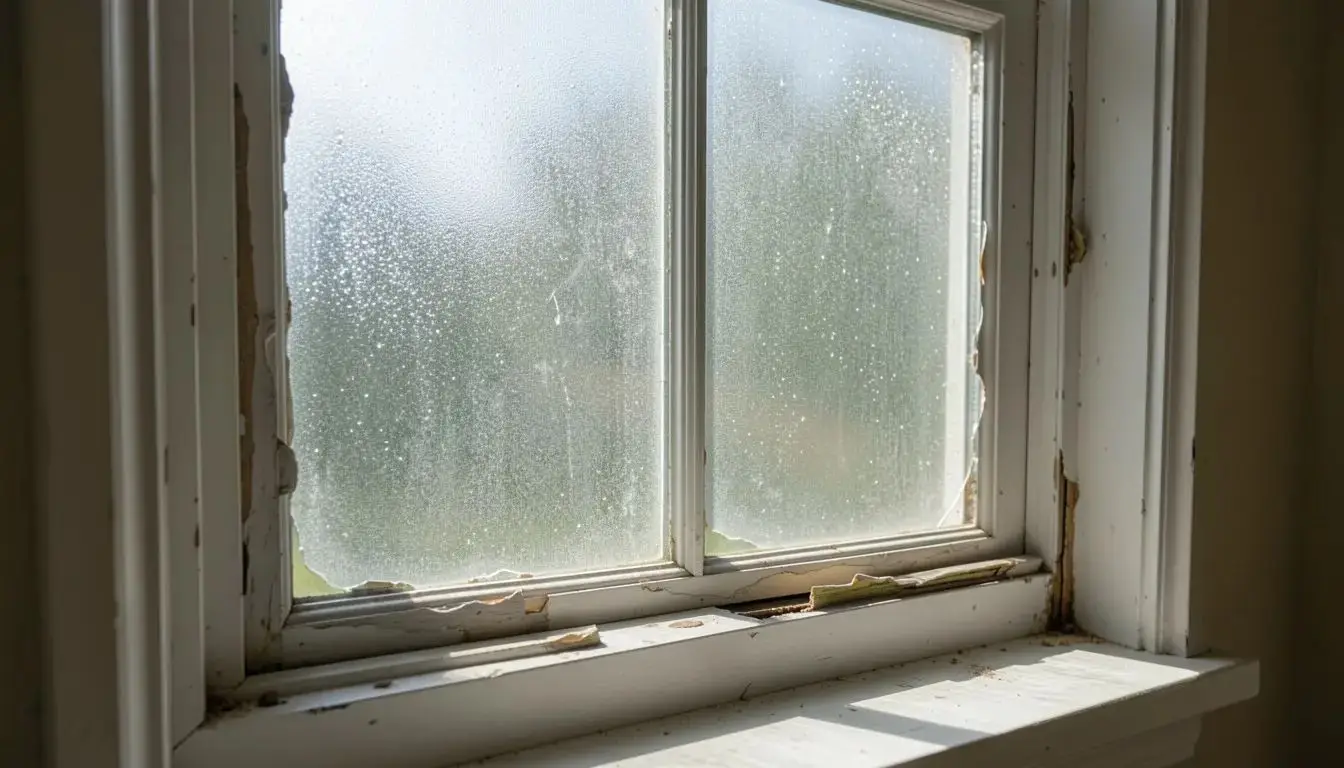
Condensation trapped between panes of glass is one of the clearest indicators of a failed insulated glass unit.
Dual-pane windows rely on a sealed airspace that often contains insulating gases such as argon. When the perimeter seal fails, moisture enters the cavity and creates permanent fogging or condensation between the panes.
Once the seal has failed, the window loses much of its insulating performance and typically requires replacement.
4. Windows Are Difficult to Open or Close
Windows should operate smoothly and securely. If they stick, bind, refuse to stay open, or require excessive force, there may be structural or hardware-related issues.
Over time, exposure to moisture, temperature changes, and normal wear can affect the frame, sash, and operating components. Poor operation can impact both comfort and safety, especially in emergency situations where quick egress may be necessary.
5. Outside Noise Seems Louder Than It Should
If traffic, neighbors, barking dogs, or other outdoor sounds seem unusually loud inside your home, your windows may not be providing adequate sound insulation.
Older single-pane windows and aging window systems typically allow more sound transmission than modern dual-pane replacement windows. Many homeowners notice a quieter indoor environment after upgrading to newer window technologies.
6. Rooms Stay Too Hot or Too Cold
Uneven room temperatures are often linked to window performance issues.
If a room becomes excessively hot during the afternoon or feels noticeably colder during winter mornings, your windows may be allowing unwanted heat transfer. This issue is especially common in west-facing rooms, upstairs bedrooms, and homes with older single-pane glass.
Energy-efficient replacement windows help reduce these temperature swings and improve overall comfort.
7. You Have Older Single-Pane Windows
Many older Southern California homes still contain original single-pane windows.
While these windows may remain functional, they offer significantly less insulation than modern dual-pane systems. They also lack many of the energy-saving technologies available today, including Low-E coatings, argon gas fills, and improved frame designs.
Even if single-pane windows appear to be in good condition, they may still be contributing to higher energy consumption and reduced comfort.
8. Window Frames Show Visible Deterioration
Cracked frames, rotting wood, corrosion, water damage, or visible separation between components can indicate more serious window problems.
Structural deterioration not only affects appearance but may also compromise energy efficiency, weather resistance, and long-term durability.
Addressing these issues early can help prevent additional damage to surrounding materials.
9. Furniture and Floors Are Fading
Excessive ultraviolet (UV) exposure can cause flooring, furniture, rugs, and interior finishes to fade over time.
Modern Low-E glass helps block a substantial percentage of damaging UV rays while still allowing natural light into the home. If you notice fading near windows, it may be a sign that your current glass lacks adequate UV protection.
10. Your Home Looks Outdated
While performance should always be the primary consideration, appearance matters too.
Aging windows can negatively affect curb appeal and may make the home appear dated. Modern replacement windows can enhance both exterior aesthetics and interior comfort while supporting long-term property value.
When Repair May Be Enough
Not every window issue requires full replacement. Minor hardware repairs, weatherstripping replacement, or isolated maintenance concerns may be resolved without replacing the entire unit.
However, when multiple symptoms exist simultaneously—such as drafts, condensation, poor operation, rising energy costs, and comfort problems—replacement is often the more cost-effective long-term solution.
Why Homeowners Choose Replacement Windows
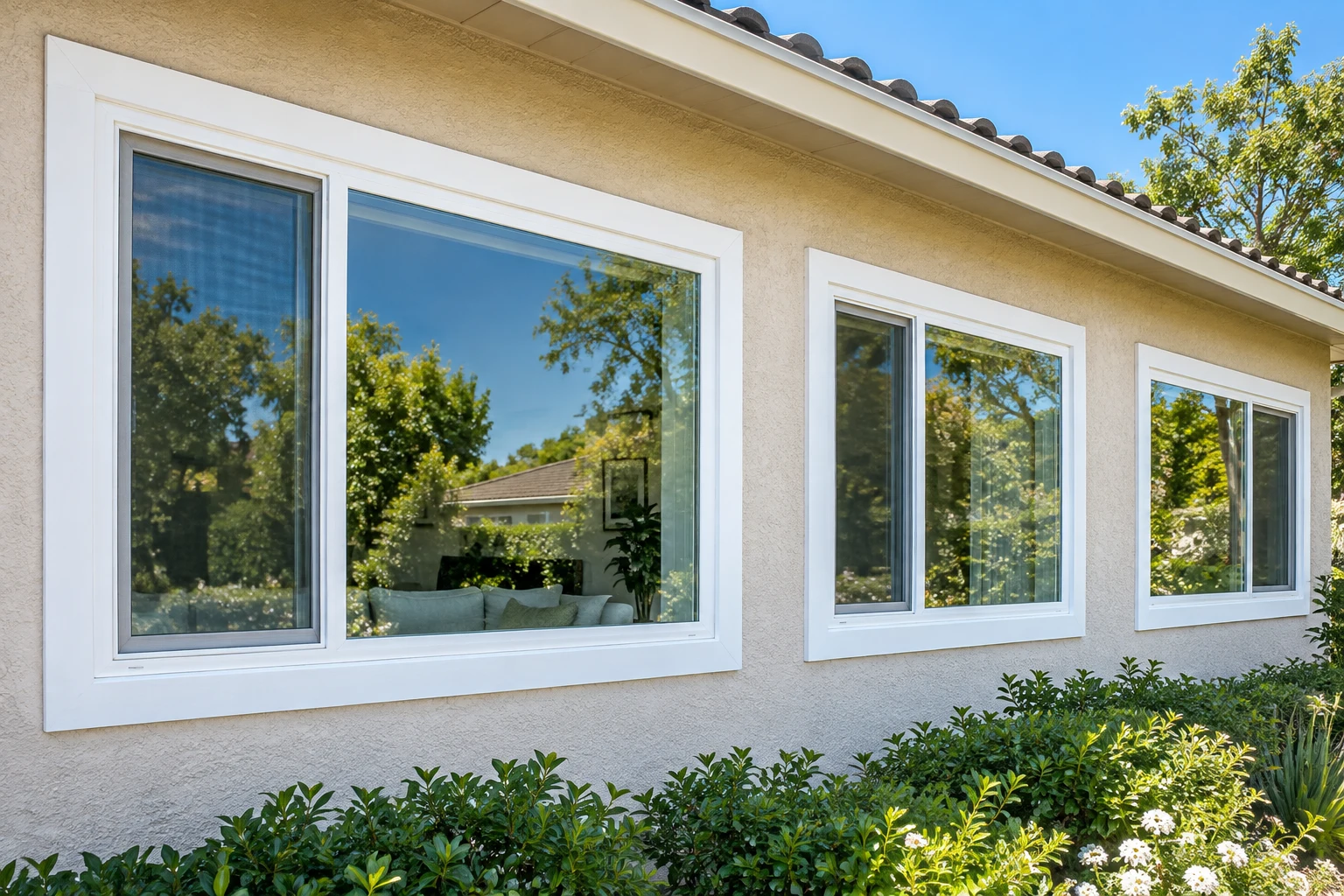
Modern replacement windows offer benefits that extend beyond appearance. Today’s systems are designed to improve insulation, reduce heat transfer, limit air leakage, enhance comfort, reduce outside noise, and support overall energy efficiency.
For many homeowners, replacing aging windows is one of the most effective upgrades for improving the performance and comfort of the entire home.
At a Glance
- Intent
Failing Windows
- Problem
Comfort Upgrade
- Climate
Older Southern California Homes
- Recommended Solution
Modern dual-pane replacement windows with Low-E glass, argon gas fills, and insulated vinyl frames designed to improve comfort, energy efficiency, and long-term performance.
Technical Explanation: Why Windows Fail Over Time
Windows are complex systems composed of glass, frame materials, weather seals, hardware, spacers, and insulated airspaces. As these components age, their ability to control heat transfer, air infiltration, moisture intrusion, and sound transmission gradually declines.
Air Infiltration and Seal Failure
One of the earliest signs of window deterioration is increased air leakage.
Weatherstripping materials naturally wear over time due to repeated operation, ultraviolet exposure, temperature fluctuations, and environmental conditions. As seals lose effectiveness, uncontrolled air infiltration can occur around the sash and frame assembly.
Insulated Glass Unit (IGU) Failure
Modern dual-pane windows utilize sealed insulated glass units designed to trap air or inert gases between panes.
When the perimeter seal fails, moisture enters the cavity and insulating gases can escape. The result is condensation, fogging, or a cloudy appearance between the panes. Once an IGU loses its seal integrity, thermal performance declines significantly.
Thermal Performance Degradation
Older windows often have higher rates of heat transfer due to outdated glass technology and frame construction.
Single-pane glass provides minimal thermal resistance, while older dual-pane systems may lack Low-E coatings and gas fills. This allows greater conductive, convective, and radiant heat transfer between indoor and outdoor environments.
The Role of Low-E Glass
Low-E, or low-emissivity glass, utilizes microscopically thin metallic coatings that reflect infrared energy while allowing visible light to pass through.
This technology helps reduce unwanted heat gain during warmer months and limits heat loss during cooler weather, improving overall energy performance.
UV Protection and Interior Preservation
Ultraviolet radiation contributes to the fading and degradation of interior furnishings.
Advanced Low-E coatings can block a substantial percentage of UV rays compared to standard clear glass, helping preserve flooring, furniture, and other interior materials.
Frame Material Considerations
Frame materials influence both structural performance and thermal efficiency.
Older aluminum frames conduct heat readily, allowing outdoor temperatures to affect indoor comfort. Modern insulated vinyl frames provide greater thermal resistance and contribute to improved overall window performance.
Operational Wear and Structural Movement
Window operation depends on multiple mechanical components working together. Over time, hardware wear, structural settling, moisture exposure, and repeated use can affect alignment and functionality.
When windows become difficult to operate, the issue may extend beyond hardware and indicate broader deterioration within the window assembly.
Whole-Home Performance Impact
Because windows are a critical part of the building envelope, declining window performance affects the entire home. Air leakage, heat transfer, moisture intrusion, and UV exposure can all contribute to comfort issues, higher energy consumption, and reduced indoor environmental quality.
Replacing aging windows with modern energy-efficient systems helps restore the integrity of the building envelope while improving comfort, efficiency, and long-term performance.
Related Window Answers
Not sure if this is the right answer? Explore other options homeowners commonly consider.
【19†Do dual-pane windows reduce noise? Yes, dual-pane windows can reduce outside noise compared to older single-pane windows. The second pane of glass and insulated airspace help create an additional barrier that limits sound transmission into your home. However, not all dual-pane windows provide the same level of noise reduction.
Standard dual-pane windows help reduce everyday sounds such as neighborhood activity, barking dogs, and moderate traffic noise, while advanced options featuring laminated glass or dissimilar glass thicknesses can provide even greater sound control. If exterior noise regularly disrupts your comfort, upgrading to modern replacement windows may help create a quieter and more peaceful indoor environment. Learn More】
【20†Why is my room hot even with AC running? A room can stay hot even when the air conditioner is running because heat is entering faster than the HVAC system can remove it. In many Southern California homes, aging windows are one of the biggest sources of unwanted heat gain. Direct sunlight passing through clear glass, west-facing windows, single-pane glass, failing seals, and outdated aluminum window frames can all increase indoor temperatures.
Even a properly functioning air conditioner may struggle to keep up when windows allow large amounts of solar heat into the room. Modern replacement windows with Low-E glass, insulated dual-pane construction, and thermally efficient frames help reduce heat transfer and improve comfort throughout the day. They can be especially beneficial for bedrooms, upstairs rooms, and west-facing spaces that experience intense afternoon sun. Learn More】
【21†What are the best replacement windows for old aluminum windows? The best windows for replacing old aluminum windows are typically energy-efficient vinyl retrofit windows with Low-E glass and dual-pane insulated glass units. These modern window systems provide significantly better insulation, improved comfort, reduced heat transfer, and lower maintenance requirements compared to older aluminum-frame windows.
For many Southern California homes, retrofit installation methods allow new windows to be installed without removing exterior stucco, helping preserve the home’s weather barrier while delivering modern performance and appearance. Learn More】
【22†Do replacement windows actually lower energy bills? Yes, modern energy-efficient replacement windows can help lower energy bills by reducing heat transfer, minimizing air leakage, and improving overall insulation. While savings vary based on climate, home construction, and existing window condition, many homeowners experience reduced heating and cooling costs after upgrading older single-pane or inefficient windows. Windows are a critical part of the home’s building envelope.
When older windows allow excessive heat gain, heat loss, or air infiltration, HVAC systems must work harder to maintain comfortable indoor temperatures. Energy-efficient replacement windows help reduce this workload and improve overall home performance. Learn More】
【23†What is Low-E 366 glass and why is it used in replacement windows? Low-E 366 glass is a high-performance window glass that uses three microscopic layers of silver to reflect heat, reduce solar heat gain, and block harmful UV rays while allowing natural light to enter the home. It is one of the most commonly recommended glass packages for energy-efficient replacement windows because it delivers an excellent balance of comfort, efficiency, and visibility.
For Southern California homeowners, Low-E 366 glass can help keep rooms cooler, reduce HVAC workload, and protect flooring and furnishings from sun-related fading. Learn More】
【24†What is the difference between Low-E glass and standard glass? Low-E glass is designed to reflect heat while allowing natural light to pass through, making it significantly more energy efficient than standard clear glass. Compared to standard glass, Low-E glass helps reduce solar heat gain, improve indoor comfort, block harmful UV rays, and support lower heating and cooling costs.
For most Southern California homeowners, Low-E glass is the preferred option because it helps keep homes cooler during hot weather while protecting furniture, flooring, and interior finishes from sun damage. Learn More】
【25†Are energy-efficient replacement windows worth the cost? For many homeowners, energy-efficient windows are worth the investment because they help reduce heat transfer, improve indoor comfort, lower strain on heating and cooling systems, and enhance overall home value. While energy savings vary by home and climate, modern windows often provide benefits that extend beyond utility bill reductions.
Homes with older single-pane windows, failing seals, or outdated aluminum frames typically see the greatest improvements after upgrading to modern energy-efficient replacement windows. Learn More】
How do replacement windows reduce heat in a home? Replacement windows reduce heat by slowing down heat transfer and limiting solar heat gain. Modern windows use Low-E glass coatings to reflect infrared heat, argon gas to improve insulation, dual-pane construction to create thermal barriers, and energy-efficient frames that reduce heat conduction. Together, these technologies help keep homes cooler, improve indoor comfort, and reduce the workload on air conditioning systems. Learn More
Serving Homeowners Throughout Southern California
Total Home Windows provides professional window replacement services across Southern California. Explore nearby service areas to learn about local window solutions, climate considerations, and replacement options available in your community.
Highland Is your Highland home still hot even when the AC is running nonstop? At Total Home Windows, we’ve helped thousands of local families discover the surprising truth: it’s almost always the windows—not just your air conditioner—that make or break indoor […] Learn More
Moreno Valley Why Moreno Valley Homes Stay Hot Even With the AC Running Total Home Windows helps Moreno Valley homeowners find out whether heat is entering through old, inefficient, or failing windows before recommending replacement. If your home stays hot even with […] Learn More
Fontana Fontana Homes Are Often Hot Because of the Windows, Not the AC If your Fontana home stays hot even with the AC running, the problem is often the windows, not the cooling system. Total Home Windows starts by finding where […] Learn More
Corona If your Corona home stays hot even with the AC running, the problem may not start with the air conditioner. In many homes, heat is entering through old or inefficient windows faster than the AC can remove it, and Total […] Learn More
Ontario If your Ontario home stays hot even when the AC is running, the AC may not be the only problem. Older windows can allow heat through the glass, around the frame, and through weak seals. Total Home Windows helps Ontario […] Learn More
Riverside Riverside homeowners deal with a very different window problem than homeowners closer to the coast. The weather is hotter, the sun is stronger, and many homes were built with windows that no longer match the way people use their homes […] Learn More
San Bernardino If your home in San Bernardino feels hot even with the AC running, you’re not imagining it—and it’s not always just your cooling system. In inland areas like San Bernardino, long summer days, direct sun exposure, and older home construction […] Learn More
Redlands Redlands is one of the most unique cities in the Inland Empire when it comes to window replacement. Unlike newer suburban areas, much of Redlands is made up of older homes with original windows that were never designed for today’s […] Learn More
Upland If your home in Upland still feels hot even with the AC running, your windows are likely the cause. Total Home Windows identifies exactly where heat is entering and replaces inefficient windows with solutions that actually reduce indoor temperatures. We […] Learn More
Rancho Cucamonga If your home in Rancho Cucamonga still feels hot even with the AC running, your windows are likely the reason. Total Home Windows helps homeowners identify exactly where heat is entering and replaces inefficient windows with solutions that actually work. […] Learn More
Frequently Asked Questions
How do I know if my windows need replacing?+
Drafts, condensation between panes, rising energy bills, difficult operation, and visible deterioration are common signs that windows may need replacement.
Can foggy windows be repaired?+
Fogging between glass panes usually indicates a failed insulated glass seal. In many cases, replacement is the most effective long-term solution.
Are old aluminum windows worth replacing?+
Yes. Older aluminum windows often transfer heat more easily than modern vinyl replacement windows and may contribute to comfort and energy-efficiency problems.
How long do residential windows typically last?+
Many residential windows last between 15 and 30 years depending on materials, climate exposure, maintenance, and installation quality.
Will new windows lower energy bills?+
Energy-efficient replacement windows can reduce heat transfer and air leakage, helping lower heating and cooling demands throughout the year.
Should I repair or replace my windows?+
Minor issues can sometimes be repaired, but windows with multiple performance problems, failed seals, or significant deterioration are often better candidates for replacement.
NEXT STEP
Upgrade Aging Windows for Better Comfort and Efficiency
If your windows show signs of failure, replacing them can improve comfort, energy efficiency, and overall home performance. Modern replacement windows are designed to reduce drafts, improve insulation, and help maintain more consistent indoor temperatures throughout the year.
Total Home Windows helps Southern California homeowners identify window problems and choose replacement solutions tailored to their home’s needs. Schedule a free consultation to learn whether replacement windows are the right solution for your home.
Call: (310) 729-3013
Request Free Estimate