
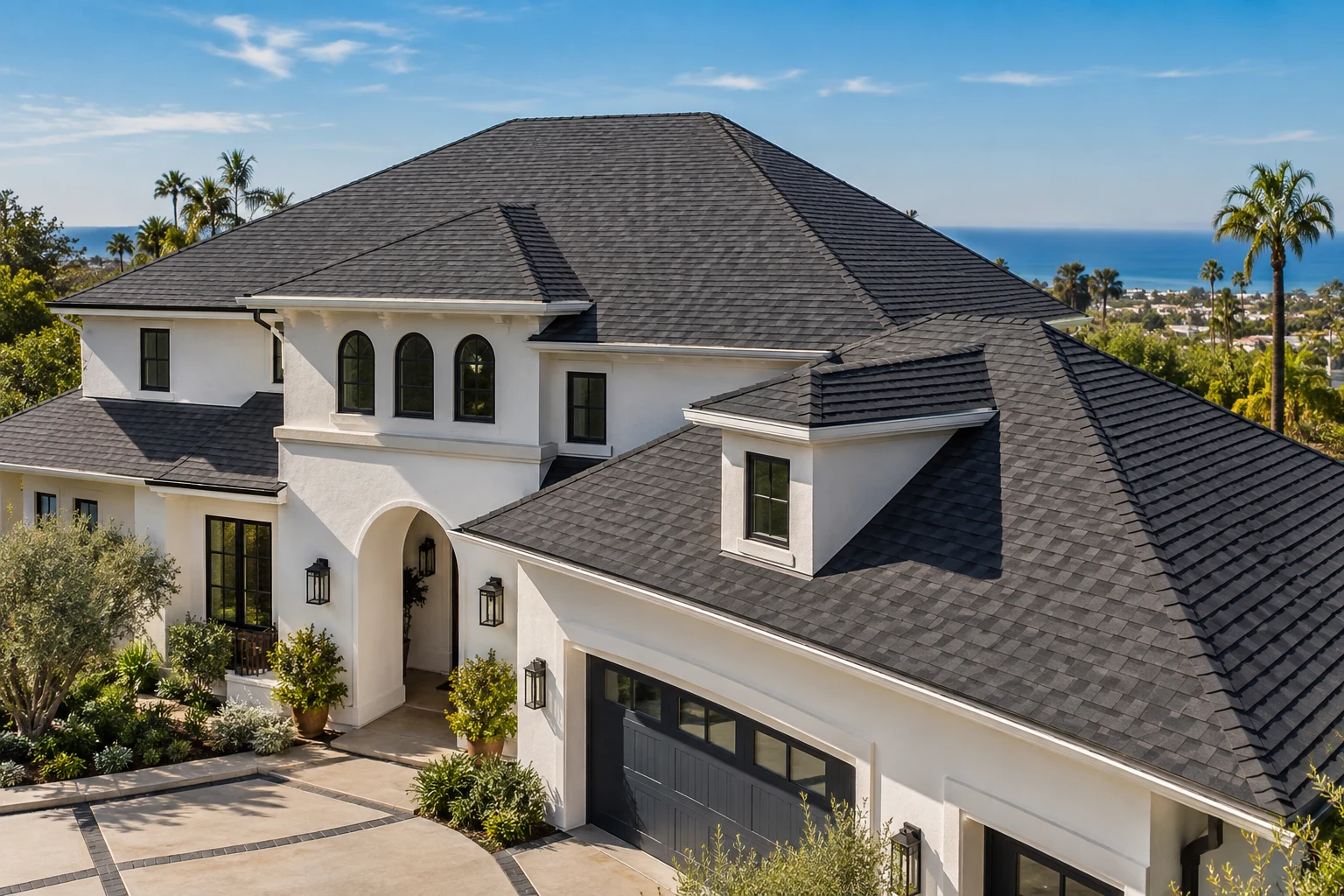
If you are searching for a roofing contractor near you in Ontario, the real issue is usually not finding someone to patch a roof. It is figuring out whether the roof system has reached the point where replacement is the smarter long-term decision. All Star Roof Replacement helps homeowners in Ontario understand that difference by looking at the full roof system, not just the visible surface problem.
In a city like Ontario, roof issues are often driven by heat, UV exposure, aging materials, and past installation problems that are not obvious from the ground. That is why homeowners looking for local guidance often start with a broader view of roof replacement in Ontario before deciding what the roof actually needs.
Why homeowners in Ontario start searching for a roofing contractor
Most people do not start searching for a roofing contractor because everything is fine. Usually something changes. A ceiling stain appears after a storm. The upstairs gets harder to cool. A past repair did not hold. Tiles shift. Shingles start looking worn, brittle, or uneven.
The direct answer is simple: if your roof is older, leaking, repeatedly repaired, or making the home less comfortable, there is a good chance the problem goes deeper than the top layer. In Ontario, that often means age and heat have already started breaking down the system underneath.
Ontario is not dealing with mild coastal weather. Inland heat in this part of Southern California puts steady stress on roofing materials for months at a time. Roofs expand during hot days, contract at night, and go through that cycle over and over again. Over time, that movement dries out sealants, weakens flashing points, ages underlayment, and shortens the useful life of the entire system.
Many homeowners do not realize that roofing problems do not always start as obvious leaks. Sometimes the first warning is higher cooling costs, uneven room temperatures, or attic heat that seems worse every summer. A roof is not only there to shed water. It also affects how well the home handles heat.
The short version is this: in Ontario, an aging roof often shows up as both a protection problem and an energy problem. If the system is wearing out, the house may become harder to keep dry and harder to keep comfortable.
Why this problem happens in Ontario
Ontario roofs take a beating from sun and heat. Long stretches of high temperatures, strong UV exposure, and seasonal weather swings accelerate wear on materials that might last longer in a milder climate. That is especially important for homes with roofs in the 15 to 30-plus year range, which is common across many Ontario neighborhoods.
The direct answer is that most roof problems in Ontario happen because the system ages under thermal stress. What looks like a small surface issue is often a sign that the waterproofing layers, ventilation setup, flashing details, or roof deck condition have already started to decline.
In homes across Ontario, we often see asphalt shingle roofs losing granules and becoming brittle from prolonged sun exposure. Once that protective surface breaks down, the shingles become more vulnerable to cracking, curling, and water intrusion. On tile roofs, the tile itself may still look serviceable while the underlayment underneath has already reached the end of its useful life.
That is a major point homeowners miss. On many Ontario tile roofs, the visible tile is not the actual waterproof layer. The real barrier is the underlayment below it. If that underlayment is dried out, torn, brittle, or failing around penetrations and valleys, the roof can leak even though the tile still looks fine from the street.
A common issue during inspections is finding leak patterns that were blamed on one broken tile or one damaged shingle, when the actual cause is broader failure underneath. When the system is worn out in multiple areas, a spot repair may not solve the reason the roof is leaking.
Ontario also has a large inventory of homes built during major growth periods from the late 1980s through the 2000s. Many of those roofs are now entering the replacement window. Some are dealing with straightforward age. Others are dealing with a combination of age, poor ventilation, heat buildup, and shortcuts from previous work.
The simple answer is that Ontario’s climate exposes weak roofing systems fast. If the original installation was not done well, or if the roof has already gone through years of patchwork, the underlying issues tend to show up sooner.
What “near me” should really mean for roofing in Ontario
When homeowners search “roofing contractor near me,” they usually want someone local, responsive, and familiar with the area. For roofing in Ontario, that should also mean someone who understands inland heat, Title 24 energy requirements, older roof systems, and the difference between cosmetic wear and true system failure.
The direct answer is this: the right roofing contractor near you should be able to explain what is failing, why it is failing, and whether replacement makes more sense than putting more money into repairs. All Star Roof Replacement approaches Ontario roofs that way by evaluating the whole system before making a recommendation.
That process starts with real measurements and real observation. Satellite measurements help establish roof size and layout. Visual inspection helps identify signs of age, heat damage, failed flashing, slipped tile, worn shingle fields, and possible ventilation issues. From there, the goal is not to guess. The goal is to show the homeowner what the roof actually needs.
Every roof is different. A one-story shingle roof with simple geometry is not the same project as a two-story tile roof with valleys, penetrations, and aged underlayment. A home with a clean deck under the old roof is not the same as one with dry rot, soft sheathing, or ventilation corrections needed to support the new system properly.
Many homeowners don’t realize how often installation quality is part of the current problem. We see roofs where the material choice was not the main reason for failure. The issue was how the roof was installed, how the flashing was tied in, whether ventilation was handled correctly, or whether previous work left weak points in the system.
What roof problems lead to if they are ignored
Roofing issues usually get more expensive with time, not because every roof suddenly fails overnight, but because deterioration spreads. A roof that is already aging under Ontario heat does not stay in the same condition for long. Once water gets past the main barrier, the problem can move into the deck, fascia, attic insulation, and interior finishes.
The direct answer is simple: delays increase total cost. What might have been a more controlled replacement can grow into a larger project once decking damage, repeated leak paths, and more extensive system failure are involved.
In homes across Ontario, we often see owners spend money on one repair, then another, then another, only to find out the roof has already moved beyond dependable patchwork. That is especially common when the roof has leaked in more than one location or when the roof is already well into the age range where materials and underlayment are naturally wearing out.
Heat makes this worse. Repeated expansion and contraction continue stressing the roof every day. Sealants dry out faster. Flashing points can open up. Valley areas and penetrations become more vulnerable. If attic ventilation is inadequate, trapped heat can accelerate wear from below while also making the home less energy efficient.
Many homeowners don’t realize that a failing roof can cost them even before a major interior leak appears. If the roof system is trapping heat or no longer supporting proper attic airflow, the AC may run longer and indoor temperatures can become less consistent. In Ontario, where summer heat is a real factor, that matters.
The short answer is that your roof affects both protection and performance. Ignoring roof decline can lead to higher energy use, recurring leak damage, and a more expensive replacement later.
Why surface damage is not the whole story
One of the biggest mistakes homeowners make is assuming the visible issue is the full issue. A cracked tile, a missing shingle, or a stain on the ceiling is important, but it does not automatically tell you how healthy the entire roof system is.
The direct answer is this: surface damage often points to deeper failure. If the underlayment is worn out, the decking is compromised, or the ventilation and flashing details are failing, replacing one visible piece does not restore the roof as a system.
A common issue during inspections is finding roofs that look “not that bad” from the yard but show broad wear when evaluated more closely. Underlayment may be brittle. Flashing details may be rusted or separating. Decking may be soft in leak-prone areas. Shingle systems may show widespread heat aging even if only one section is actively leaking today.
Tile roofs are a good example of this in Ontario. The tiles can often last much longer than the waterproofing beneath them. That is why some homes need full system work even when the tile itself is not the main failure point. If the underlayment is done, the roof is done from a waterproofing standpoint.
For homeowners trying to sort out whether they are dealing with a repair issue or a replacement issue, it helps to understand the difference between isolated damage and broader system wear. That is why many people compare their situation to the common factors behind roof repair or replacement in Ontario once leaks or repeated trouble start showing up.
How All Star Roof Replacement approaches the problem
All Star Roof Replacement is not in the business of guessing from the driveway or selling roofing materials without context. The focus is on residential roof replacement, which means understanding when the roof system has reached the point where replacement is the right move and explaining that clearly to the homeowner.
The direct answer is that All Star Roof Replacement looks at the complete roofing system before recommending replacement. That includes the visible material, the underlayment, possible decking concerns, ventilation, flashing transitions, and signs of poor previous installation.
This matters because Ontario homeowners are often trying to solve the same few core problems: an aging roof system, heat-related deterioration, recurring leaks caused by deeper failure, or issues left behind by earlier work. Those are not material-only problems. They are system problems.
In homes across Ontario, we often see people focus first on what they can see from the ground. That makes sense. But the roof’s long-term performance depends just as much on the parts you cannot see right away. Underlayment quality matters. Deck condition matters. Ventilation matters. Installation quality matters just as much as the material on top.
Many homeowners don’t realize that code and efficiency requirements can also shape the replacement plan. In Ontario, roof replacement may involve cool roof compliance and ventilation improvements that help the home handle heat better over time. That is one reason replacement planning should be based on the actual roof, not on a one-size-fits-all number.
If your roof is older and you are seeing warning signs, the next step is usually not another blind patch. It is understanding whether the roof has reached the stage where replacement is the more reliable path. Homeowners often start by reviewing the local signs you need a new roof in Ontario so the condition of the system makes more sense before moving forward.
That is the direction All Star Roof Replacement takes: identify what is actually failing, explain it clearly, and base replacement recommendations on the full roof system rather than surface symptoms alone.
What All Star Roof Replacement looks for during a roof replacement evaluation
The direct answer is simple: All Star Roof Replacement evaluates whether the entire roof system is still performing, not just whether the top layer has visible wear. That means looking at the roof surface, the waterproofing below it, the roof deck, ventilation, flashing details, and signs that earlier work may have left weak points behind.
For homeowners in Ontario, this matters because two roofs with the same age can be in very different condition. One may have a clean deck, solid ventilation, and predictable wear. Another may have hidden deterioration under tiles or shingles, soft decking near past leak areas, and detail failures around vents, valleys, or wall transitions.
That is why All Star Roof Replacement starts with real roof data instead of assumptions. Satellite measurements help establish roof size, slope layout, and complexity. Visual inspection helps identify visible signs of age, heat damage, drainage concerns, broken components, and areas where the system may already be failing beneath the surface.
A common issue during inspections is finding that the roof problem the homeowner noticed is not the only one present. A stain over one bedroom may trace back to one section, but the inspection often shows aging underlayment in multiple areas, worn flashing at penetrations, or ventilation issues that are affecting the whole system.
In homes across Ontario, we often see tile roofs where the tile still looks acceptable from the street while the underlayment underneath has already aged out. We also see shingle roofs where the field looks mostly intact until closer inspection shows granule loss, brittleness, exposed fastener issues, and previous repair areas that no longer tie together as one dependable roof system.
Why hidden conditions change the recommendation
The direct answer is that hidden roof conditions are often the deciding factor between another repair and full replacement. If the roof deck, underlayment, or ventilation setup is compromised, surface work alone usually will not solve the real problem.
Homeowners naturally focus on what they can see. But a roof can look passable from the ground and still be near the end of its functional life. That is especially common in Ontario because inland heat speeds up the aging of the layers below the visible roofing material.
On tile systems, the tile is often reused if appropriate, but the real replacement need is the waterproofing assembly below it. On shingle systems, visible wear may only tell part of the story if the roof has already gone through years of expansion, contraction, and UV exposure. If the underlayment is failing, if flashing details are opening up, or if the roof deck shows moisture damage, then the issue is broader than one problem spot.
This is also why overlays are usually a poor decision in this climate. If a roof already has age and heat-related deterioration, covering it without addressing the underlying condition leaves the existing problems in place. Homeowners comparing that option often benefit from reading more about whether reroofing is worth it in Ontario before assuming a second layer is the cheaper long-term move.
How material choice should be decided in Ontario
The direct answer is this: the best roofing material depends on the home, the roof design, the existing structure, and how the system will perform in Ontario heat. Material matters, but installation quality and system design matter just as much.
Ontario homeowners usually end up choosing between shingle-based systems and tile-based systems, but the choice should not be made on appearance alone. It should be based on roof slope, ventilation strategy, structural considerations, long-term maintenance expectations, and budget range.
For many homes, cool-rated architectural shingles make sense because they can provide a clean replacement option with good performance and code compliance when installed correctly. For other homes, especially those already designed around tile, keeping or resetting tile over upgraded underlayment may be the more practical path. The right answer depends on the roof in front of you, not on a blanket rule.
In Ontario, heat performance should always be part of the discussion. A roof that reflects more heat and supports proper attic ventilation can help the home handle summer temperatures better. That does not mean every house needs the same assembly, but it does mean replacement should consider energy performance as part of the system.
Homeowners who are still comparing categories often review the pros and tradeoffs between tile and shingle roofs in Ontario before deciding what fits their home best. Others want a broader view of the best roofing materials for Ontario homes when they are trying to balance cost, heat resistance, and lifespan.
Why cool roof planning matters in Southern California
The direct answer is simple: in Ontario, roof replacement is not just about stopping leaks, it is also about helping the home perform better in high heat. Cool roof requirements and energy-related improvements are part of what makes replacement planning different here than in milder regions.
California code often requires cool roof compliance on qualifying reroof projects, but the practical homeowner benefit matters too. Reflective roofing products can reduce roof surface heat gain, and when they are paired with proper ventilation, they may help reduce excessive attic heat buildup that makes second floors harder to keep comfortable.
That does not mean a new roof automatically fixes every comfort issue in a house. But if the old roof system is trapping heat, deteriorating, or lacking proper airflow, replacement can be a good opportunity to correct those conditions. Homeowners trying to understand that side of the project often look into cool roof options in Ontario or learn more about how roofing can help reduce heat in Ontario homes.
What affects the cost of roof replacement in Ontario
The direct answer is that roof replacement pricing depends on scope, roof design, material choice, tear-off conditions, and whether hidden issues are found once the old roof is removed. There is no honest fixed price that fits every Ontario home.
Some homeowners start with the understandable question, “What should a new roof cost?” The practical answer is that pricing usually varies because no two roofs have the same size, slope, layers, penetrations, transitions, or deck condition. A straightforward one-story roof and a complex two-story roof with multiple valleys are not the same project.
Material selection is one factor, but it is not the only one. Replacement cost can also be shaped by whether the project involves shingle or tile work, whether old tile is being reset over new underlayment, whether decking replacement is needed, whether ventilation needs to be corrected, and whether disposal is more involved because of existing roof weight or multiple layers.
A common issue during inspections is discovering that a low number from a quick estimate would not have included the parts of the project that actually matter. If the roof deck has damaged sections, if flashing transitions need full correction, or if attic ventilation needs improvement to support the new system, those are not “extras” in the practical sense. They are part of doing the roof correctly.
In homes across Ontario, we often see homeowners compare estimates without realizing that one proposal may only account for visible materials while another includes code-related components, ventilation updates, and realistic tear-off conditions. That is one reason not all contractors are equal. A cheaper number can leave out the very things that prevent the next set of problems.
For a more detailed breakdown, many homeowners review roof replacement cost in Ontario and then compare that with the local factors behind cost per square for roofing in Ontario so the estimate process makes more sense.
What the roof replacement process usually looks like
The direct answer is this: a roof replacement usually starts with inspection and planning, then moves through permitting, tear-off, deck review, dry-in, installation, and final cleanup. The exact timeline depends on roof complexity, weather conditions, material type, and whether hidden issues are found during tear-off.
For Ontario homeowners, one of the biggest concerns is knowing what to expect once the job begins. Most residential replacements are disruptive for a few days, especially during tear-off. That part is noisy, and the driveway or access area often needs to stay clear for loading and disposal.
After the old roof comes off, the deck can be evaluated directly. This is one of the most important stages because it confirms whether the structure underneath is ready for the new roofing system or whether repairs are needed before installation continues. Once the roof is dried in with the new underlayment, the home is protected while the finish material and detail work are completed.
The final timeline is shaped by more than just labor hours. Permit approval, HOA requirements if applicable, roof steepness, tile handling, and the number of penetrations or transitions can all affect how long the project takes from start to finish. If you want a more detailed walkthrough, it helps to review the roof replacement process in Ontario along with the typical roof replacement timeline for Ontario homes.
Decision clarity: when replacement makes more sense than repair
The direct answer is simple: replacement usually makes more sense when the roof has broad age-related wear, repeated leaks, failing underlayment, or signs that the system is breaking down in multiple areas. Repairs make more sense when damage is isolated and the rest of the roof is still in solid condition.
If your roof is 15 to 30-plus years old, has already had repeated repairs, or is showing heat-related decline across more than one section, it is usually time to step back and look at the full system. A single repair can be reasonable on a younger roof with limited damage. It becomes much less useful when the roofing system has already reached the stage where multiple components are wearing out together.
Good decision-making here is not about replacing a roof too early, and it is not about squeezing every last month out of a roof that is already costing you more in patchwork and uncertainty. A good decision is one based on condition, visible evidence, and a clear understanding of whether the problem is isolated or systemic.
Delaying often increases cost, not because every roof gets dramatically worse overnight, but because deterioration spreads. Water intrusion can move into the deck and fascia. Heat-related wear continues every day. Poor ventilation continues stressing the attic. A roof that could have been replaced in a controlled way may become a larger project if the underlying damage grows.
If you are trying to make a practical decision, these are usually the right questions to ask:
- Has the roof leaked more than once? Repeated leak history often points to broader system decline.
- Is the roof already in the later part of its expected life? Age alone is not everything, but it matters.
- Are the problems showing up in more than one area? Multiple trouble spots usually mean the issue is not isolated.
- Has previous work failed to hold? That often suggests the roof is beyond dependable repair.
- Does the home feel harder to cool than it used to? Heat performance can be part of the roofing problem too.
For homeowners sorting through those questions, it can help to compare the practical differences between roof lifespan expectations in Ontario and the conditions that typically point to full replacement rather than one more repair attempt.
FAQ: Roofing contractor near me in Ontario
How much does roof replacement cost in Ontario?
The direct answer is that cost depends on your roof’s size, material, slope, access, and condition after tear-off. A straightforward shingle replacement may land in a very different range than a tile project with underlayment replacement, deck repairs, and ventilation updates.
The most useful way to think about price is context, not a flat number. If hidden issues are already present, the final cost should reflect doing the roof correctly rather than only replacing the visible surface.
How long does a roof replacement usually take?
Most residential roof replacements take a few working days on site, but total timing depends on permitting, material type, roof complexity, and any repairs needed after tear-off. A simple roof moves faster than a steep or complex roof with multiple transitions.
Ontario projects can also be affected by HOA review, scheduling, and weather conditions. The right expectation is a planned process, not a rushed one.
How do I know if I need repair or full replacement?
If the roof damage is isolated and the roof is still in otherwise good condition, repair may make sense. If the roof is older, has leaked repeatedly, or shows widespread wear, replacement is usually the better long-term decision.
The key is whether the issue is local or system-wide. All Star Roof Replacement focuses on that distinction because many homeowners are told they only need a small fix when the real problem is broader failure underneath.
How long should a roof last in Ontario’s climate?
Roof lifespan in Ontario depends heavily on material type, installation quality, ventilation, and sun exposure. Inland heat and UV intensity generally shorten service life compared with milder coastal areas.
Shingle roofs often age faster under Ontario heat, while tile roofs may last much longer on the surface but still need underlayment replacement well before the tile itself wears out.
What roofing material is best for Ontario homes?
The best material depends on the structure of the home, the roof design, and the homeowner’s goals. For many Ontario homes, cool-rated shingles or properly designed tile systems both make sense when the system is installed correctly.
The bigger point is that there is no best material without the right installation. Poor installation leads to long-term issues even if the product itself is good.
Can a roof help lower heat in the house?
Yes, in many cases it can. A replacement that includes cool roof compliant materials and proper ventilation can improve how the home handles heat, especially in Ontario summers.
That said, the roof is one part of the overall energy picture. The biggest benefit comes when the roofing system is designed to reduce heat gain and support attic airflow.
What should I do before scheduling a roof replacement estimate?
The best first step is to gather basic information about the roof’s age, leak history, and any prior repairs. That context helps make the inspection more useful and helps identify whether the roof has a history of isolated trouble or broader system decline.
If there is an active leak, take note of where it appears indoors, but remember that the entry point on the roof may be somewhere else. Roof issues rarely travel in a straight line.
Talk with All Star Roof Replacement about your Ontario roof
If you are trying to figure out whether your Ontario roof needs another repair or a full replacement, All Star Roof Replacement can help you understand what the roof system is actually doing and what it realistically needs next. The goal is not pressure. It is clarity about age, hidden issues, ventilation, underlayment, and whether the current roof is still worth putting money into.
You can call (310) 729-3013, email teamallstarconstruction@gmail.com, or use the All Star Roof Replacement contact page to request an estimate or ask questions about your roof in Ontario.
Licensed • Insured • Owens Corning Preferred Contractor • CA License #1009760