
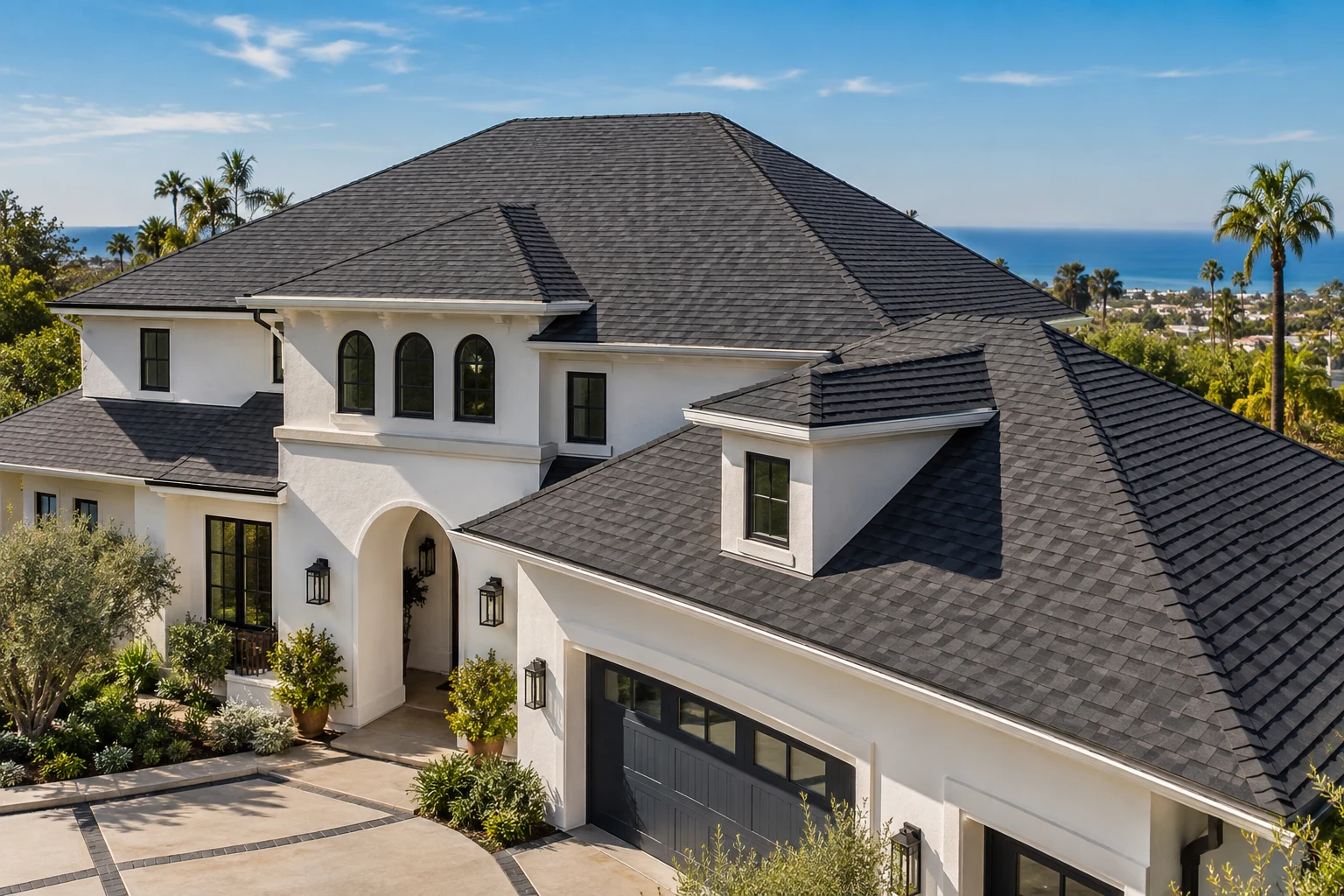
In Redlands, a roof can last anywhere from about 15 to 30 years or more, but the real answer depends on the full roofing system, not just the top layer you can see. All Star Roof Replacement helps homeowners understand roof lifespan by looking at how heat, UV exposure, ventilation, underlayment, and installation quality all work together across the entire roof system.
If your roof is getting older, leaking more than once, or making your home harder to cool, the issue is usually deeper than a few worn shingles or cracked tiles. For homeowners who want a clearer local overview of roofing conditions and replacement needs, the Redlands roof replacement service area page gives helpful context on what roofs in this area typically deal with.
A roof in Redlands does not age the same way a roof ages in a cooler or more coastal part of Southern California. Inland heat, strong sun, dry conditions, and long summers all put more stress on roofing systems. That means lifespan is affected not just by age, but by how well the whole roof was built and how it has held up over time.
Why Roof Lifespan in Redlands Is Different
Redlands roofs take a steady beating from heat and UV exposure. Even when there are no obvious missing shingles or active leaks, the roofing system can be breaking down underneath the surface. That is why two roofs installed in the same year can age very differently.
The short answer is this: roofs in Redlands often wear out faster when attic ventilation is poor, underlayment has dried out, or the original installation left weak points in the system. Surface materials matter, but they are only one part of what determines how long a roof really lasts.
In homes across Redlands, we often see roofs that still look acceptable from the street but are already failing at the system level. The tiles may still be in place, or the shingles may not look severe enough to alarm a homeowner, but underneath, the waterproofing layers may be brittle, the decking may have moisture damage, or trapped heat may be shortening the life of the entire assembly.
Many homeowners don’t realize that the visible roof covering is only one layer of protection. A roof’s true lifespan depends on the condition of the underlayment, flashing, decking, ventilation design, and how those parts were installed together. When one part fails early, the rest of the system usually follows.
What Usually Shortens Roof Life in Redlands
The main factors are heat, sun, age, and installation quality. Redlands gets prolonged sun exposure and high temperatures that can dry out roofing components over time. Materials expand and contract, sealants weaken, and hidden areas around penetrations, edges, and transitions become more vulnerable year after year.
If you want the most accurate answer, you have to look beyond the material type and ask how the full roof system is performing. A 20-year-old roof in Redlands may still have some service life left, while another roof at 15 years may already be at replacement stage because of poor ventilation or past installation issues.
A common issue during inspections is that homeowners assume a leak means one isolated problem. In reality, repeated leaks often point to broader system failure. Once underlayment is deteriorating, flashing details are failing, or decking has taken on moisture, small repairs stop solving the root problem.
This is especially common on aging homes in Redlands, where older roof systems may have been installed under older standards or layered over previous work. If the home has an older roof and has already had multiple repairs, lifespan should be judged by current system condition, not just by the year it was installed.
- High summer heat accelerates wear on roofing components
- UV exposure breaks down materials over time
- Poor attic ventilation traps heat and shortens system life
- Older underlayment can become brittle long before the roof looks severe from the ground
- Previous patchwork repairs may hide larger roofing failure
- Improper installation can reduce expected lifespan even with decent materials
How Long Different Roofs Tend to Last
As a general rule, many asphalt shingle roofs in inland Southern California may last around 15 to 25 years, while tile roof systems often last longer at the surface level but still depend heavily on the condition of the underlayment beneath them. That distinction matters in Redlands because a tile roof can appear solid while the waterproof system under the tile is already near the end of its life.
That is the part homeowners need to know: roof lifespan is not just about whether the top material is still there. It is about whether the full system is still protecting the house the way it should.
In homes across Redlands, we often see tile roofs where the tiles themselves are not the main problem. The real issue is aged underlayment, failing flashings, and long-term heat exposure below the tile field. The roof may not need a few isolated fixes. It may need full replacement because the protective system underneath is worn out.
Shingle roofs have a different pattern. They tend to show age more visibly through curling, granule loss, discoloration, brittle edges, and weakened sealing. But again, the visible wear is only part of the story. Once the system has ongoing leak points or ventilation-related heat stress, replacement often becomes the more practical long-term solution.
For homeowners comparing whether an older system still makes sense to keep repairing, it helps to understand the difference between isolated repairs and broader failure. That is why pages like roof repair or replacement in Redlands are useful when the roof is no longer aging evenly.
What Happens When Roof Aging Is Ignored
Roof problems usually do not stay in one place. Once the system starts breaking down, water entry, heat gain, and hidden damage tend to spread over time. Delaying the right solution often leads to more work, not less.
The simple answer is that an aging roof affects both protection and energy efficiency. It can let moisture into areas you cannot see right away, and it can also make your home harder and more expensive to keep cool during Redlands summers.
Many homeowners don’t realize how much an older roof can affect indoor comfort. When roofing materials are heat-soaked, ventilation is poor, or the system no longer reflects and manages heat well, attic temperatures rise. That trapped heat pushes into the living space below, which can lead to uneven indoor temperatures and higher cooling costs.
In Redlands, that energy impact matters. Inland homes deal with hotter summer conditions than coastal homes, so roof performance directly affects how hard the HVAC system has to work. If the roof system is aging, the home often feels it before the homeowner connects the problem back to the roof.
Ignoring roof aging can also lead to hidden structural concerns. A common issue during inspections is soft decking in areas where small leaks have been occurring for a long time. Homeowners may not see stains until later, but by then, the roof system has already been compromised below the surface.
- Recurring leaks become more likely
- Repair costs can add up without fixing the actual cause
- Heat intrusion can increase cooling expenses
- Moisture damage can affect decking and other hidden components
- Small problem areas can turn into full-system replacement needs
Why Surface Damage Is Not the Full Story
A roof rarely fails all at once. More often, it weakens in layers. That is why a roof can still look decent from the yard and still be close to replacement.
The key answer here is that surface wear often points to deeper system failure. If the underlayment is deteriorated, if flashing details were poorly installed, or if ventilation was never balanced properly, cosmetic repairs will not restore the roof’s real service life.
All Star Roof Replacement approaches roof lifespan the way it should be approached in Redlands: as a full roofing system question. That means evaluating visible wear, but also looking at roof age, leak history, attic heat conditions, vulnerable transitions, and the hidden components that determine whether the system still has dependable life left.
In homes across Redlands, we often see homeowners spend money on repeated fixes because the roof still looks “not that bad.” But when leaks keep coming back or hot spots inside the house keep getting worse, that usually means the roof is no longer failing at one point. It is failing as a system.
That is also why installation quality matters as much as the material itself. A well-installed roof system with proper ventilation and correct flashing details can age much better than a poorly installed roof with decent materials. In Redlands heat, shortcuts show up faster.
How to Think About Roof Life the Right Way
The best way to judge roof lifespan is not by guessing based on age alone. It is by looking at age, material type, prior repairs, energy performance, visible wear, and the condition of the full roof system.
If your roof is in the 15 to 30 year range, has had recurring leaks, or is making your home harder to cool, that is usually the point where replacement should at least be evaluated seriously. The goal is not to replace a roof too early. The goal is to avoid waiting until deeper damage makes the project more expensive than it needed to be.
Many homeowners don’t realize that delays often increase the total cost of ownership. A few repairs may seem cheaper in the short term, but if the underlying system is already worn out, those repairs do not extend roof life in a meaningful way. They just postpone the decision while the roof continues to deteriorate.
For that reason, understanding the warning signs is just as important as knowing the age. If you are seeing recurring leak areas, brittle materials, heat-related comfort issues, or signs of widespread wear, it may help to review the common signs you need a new roof in Redlands before deciding what comes next.
All Star Roof Replacement uses satellite measurements and visual inspection to evaluate what the roof actually needs. That includes looking for hidden issues in the underlayment, decking, and ventilation system rather than assuming the top layer tells the whole story. In a city like Redlands, where heat and age work together against the roof, that full-system approach is what gives homeowners a more accurate answer.
What Actually Determines How Long a Roof Lasts in Redlands
The direct answer is that roof lifespan in Redlands is determined by heat exposure, ventilation, underlayment condition, flashing performance, decking condition, and installation quality working together as one system. All Star Roof Replacement looks at those parts together because a roof can fail underneath long before the outer surface makes the problem obvious.
That matters in Redlands because inland Southern California weather puts steady pressure on roofing systems. Long periods of sun, dry heat, and strong seasonal temperature swings wear down sealants, age waterproofing layers, and expose weak installation details faster than many homeowners expect.
In homes across Redlands, we often see roof surfaces that still look usable from the street while the system underneath is much closer to failure. Tile may still be sitting in place, and shingles may not look severe enough to trigger immediate concern, but the underlayment below can already be brittle or broken down from years of heat.
A common issue during inspections is that homeowners focus on what they can see and miss what is happening at penetrations, valleys, edges, and attic ventilation points. Those areas usually tell a more accurate story about the remaining life of the roof than the broad field area alone.
Why Underlayment Often Decides the Real Lifespan
The short answer is that underlayment often determines when a roof in Redlands truly reaches replacement stage. On many homes, especially tile roofs, the visible material may outlast the waterproof layer underneath by a wide margin.
That is one of the biggest points of confusion for homeowners. A tile roof may still look structurally intact, but if the underlayment has dried out, cracked, or lost flexibility, the roof system is no longer doing its job reliably. In those cases, the question is not whether the tiles look fine. The question is whether the system below them still protects the home.
With shingle roofs, the aging pattern is usually easier to spot because the surface itself starts showing wear through granule loss, brittleness, curling, and sealing failure. Even then, the visible signs are only part of the picture. Once moisture gets below the outer layer, the condition of the decking and surrounding components starts to matter just as much.
Homeowners trying to understand what factors affect replacement planning can usually benefit from reviewing local roof replacement cost considerations in Redlands, because system condition often drives scope more than the roofing material alone.
How Heat and Ventilation Work Against Roof Life
The direct answer is that trapped heat can shorten roof life significantly, especially in Redlands where summer temperatures stay high for long stretches. If attic ventilation is poor, the roofing system ages from both directions: sun from above and excess heat from below.
Many homeowners think of roof wear as strictly an exterior issue, but attic conditions matter more than they realize. When hot air builds up below the roof deck, it puts added stress on the entire assembly. That can affect shingles, underlayment, fasteners, and the comfort of the living space below.
In Redlands, this often shows up as a combination problem. The home feels harder to cool, certain rooms stay warmer than others, and the roof starts showing signs of uneven aging. That does not always mean one isolated part has failed. It often means the system was never venting properly or has lost performance over time.
All Star Roof Replacement evaluates ventilation as part of the full replacement picture because replacing only the outer material without addressing heat management can limit how well the new roof performs. If your main concern is heat gain or rising cooling demand, pages on how roofing can reduce heat in Redlands and energy-efficient roofing options for Redlands homes can help connect roof condition to indoor comfort.
Why Some Roofs Age Unevenly
The short answer is that roofs rarely wear out evenly because sun exposure, slope direction, ventilation, drainage, and past repair history vary from one section to another. That is why one side of the roof can still look acceptable while another section is already near failure.
South- and west-facing slopes in Redlands often take more punishment from direct afternoon sun. Valleys and transitions may hold up differently depending on drainage. Penetrations such as vents and pipes can become weak points sooner if flashing was not installed correctly the first time.
This uneven aging is one reason guessing can be expensive. A homeowner may repair one leak in one area, only to find another issue showing up soon after in a different section. The problem is not always bad luck. It is often a sign that the roof is aging beyond the point where isolated repairs make sense.
How Previous Installation Affects Roof Lifespan
The direct answer is that poor installation can cut years off a roof’s useful life, even when decent materials were used. In Redlands, heat tends to expose installation shortcuts faster because weak points expand, dry out, and separate over time.
Not all roofing problems come from old age alone. Some come from details that were never right to begin with. Improper flashing, poor fastening patterns, weak transitions, bad ventilation planning, and shortcuts around penetrations often lead to recurring problems that get blamed on the material when the real issue is the system build quality.
In homes across Redlands, we often see repeated repair history tied back to the same root cause: the roof was never assembled as a complete system. Homeowners may have spent money on patching areas around chimneys, valleys, skylights, or wall intersections when the real problem was that those details were not installed correctly from the start.
This is also why not all contractors are equal. Roof replacement is not just removing old material and nailing on new material. The quality of tear-off, deck evaluation, flashing replacement, ventilation setup, and underlayment installation all affect whether the new roof will perform the way it should in Redlands conditions.
If you want to better understand what a proper installation should involve, the page on the roof replacement process in Redlands is useful because it explains the project as a system, not just a material swap.
When Roof Age Matters Most
The direct answer is that age matters most when it lines up with recurring leaks, rising repair frequency, visible wear, or heat-related performance issues. A number by itself does not decide replacement, but once an older roof starts showing multiple warning signs, age becomes much more important.
For many homes in Redlands, the 15- to 30-year range is where the conversation gets more serious. Shingle systems often begin showing broad wear in that range, while tile systems may still look stable on top even though the underlayment below is near the end of its service life. The exact timeline varies, but the pattern is common.
What homeowners should avoid is assuming that “it still has a few more years” without looking at the full condition of the roof. That kind of guess often leads to more patchwork, more interior inconvenience, and higher eventual cost if hidden damage continues.
For a broader view of replacement planning and contractor evaluation, homeowners often compare what to expect from a roof replacement installer in Redlands before deciding how to move forward.
Decision Clarity: Repair or Replace?
The direct answer is this: replacement usually makes more sense than repair when the roof is older, leaks keep returning, the system is failing in multiple areas, or the hidden layers are worn out. Repairs make sense for isolated problems, but they stop making financial sense when the roof is aging as a whole.
This is the point where many homeowners get stuck. They do not want to replace too early, but they also do not want to keep spending on work that does not solve the real issue. The best decision usually comes from looking at the roof honestly as a full system instead of asking whether one visible spot can be patched again.
When Replacement Usually Makes More Sense
The practical answer is that replacement is often the better decision when there is broader system fatigue, not just one damaged section. If multiple parts of the roof are nearing failure at the same time, repair money tends to have a short lifespan.
- The roof is in the later stage of its expected life
- Leaks have happened more than once or in more than one area
- Past repairs have not held for long
- There are signs of brittle underlayment or worn flashing
- Attic heat and energy performance have become ongoing concerns
- Decking or hidden moisture damage is suspected
If you are weighing that choice directly, the local page on whether reroofing is worth it in Redlands can help frame the long-term value side of the decision.
What Happens If You Delay Too Long
The direct answer is that delaying often increases cost because roofing damage is usually worse than what is visible from the ground. Once moisture gets into the system or heat-related deterioration spreads, the scope of work can grow beyond what earlier action would have required.
That does not mean every older roof needs immediate replacement. It means waiting should be based on actual condition, not hope. If the roof already has hidden weak points, delay can lead to more decking repairs, more interior disruption, and more repeated service calls that do not meaningfully extend roof life.
A common issue during inspections is homeowners saying the leak “just started,” when the staining or drip inside is really the first visible sign of a longer roof-system problem. By the time the interior shows it, the roof may have been taking on stress for a while.
What a Good Roofing Decision Looks Like
The short answer is that a good decision is based on evidence, not pressure. In Redlands, that means understanding roof age, leak history, heat performance, visible wear, and hidden system condition before deciding whether to keep repairing or move to full replacement.
All Star Roof Replacement helps homeowners make that decision by evaluating the roof as a complete assembly. That includes satellite measurements, visual inspection, and a clear explanation of what is actually going on with the underlayment, decking, flashing, and ventilation. The goal is not to push replacement where it is not needed. The goal is to show what the roof actually needs so the decision is grounded and informed.
FAQ: How Long Does a Roof Last in Redlands?
How long does a typical roof last in Redlands, California?
The short answer is that many shingle roofs in Redlands last around 15 to 25 years, while tile roof surfaces can last longer but often outlive the underlayment beneath them. The exact lifespan depends on heat exposure, ventilation, roof design, installation quality, and whether the system has had recurring leaks or repair history.
That is why two roofs of the same age can be in very different condition. All Star Roof Replacement looks at the full system because visible material alone does not tell you how much dependable life is actually left.
How do I know if my roof needs replacement instead of another repair?
The direct answer is that replacement is usually the better option when leaks keep coming back, the roof is older, repairs are starting to stack up, or the underlying system is breaking down. A repair makes sense when the problem is isolated and the rest of the roof is still in solid condition.
If the roof is failing in multiple areas or the hidden layers are worn out, repairs often become temporary spending. Homeowners comparing those options often also review repair versus replacement in Redlands to understand when patching stops being the practical choice.
How much does roof replacement cost in Redlands?
The short answer is that cost depends on the size of the roof, material type, tear-off complexity, access, slope, ventilation needs, and whether hidden issues like decking damage are found. There is no reliable fixed number without evaluating the actual roof system.
What matters most is scope, not just surface material. If you want a clearer breakdown of what affects price, the page on roof cost per square in Redlands can help explain how contractors typically evaluate project size and complexity.
How long does a roof replacement take?
The direct answer is that many residential roof replacements can be completed in a matter of days, but the actual timeline depends on roof size, material type, weather, tear-off conditions, and whether repairs to decking or other components are needed once the old roof is removed.
A straightforward project moves faster than a roof with multiple layers, difficult access, or hidden damage. Homeowners who want a more practical expectation can review the typical roof replacement timeline in Redlands.
Does a tile roof last longer than a shingle roof in Redlands?
The short answer is yes at the surface level, but not always at the system level. Tile itself often lasts longer than shingles, but the roof still depends on underlayment, flashing, and ventilation, and those parts can reach failure long before the tiles need to be discarded.
That is why a tile roof can still require full replacement work even when the tiles appear usable. If you are comparing systems, the page on tile versus shingle roofs in Redlands gives a practical overview of how they perform locally.
Can an older roof make my house hotter?
The direct answer is yes, especially when ventilation is poor or the roofing system is no longer managing heat effectively. In Redlands, an aging roof can contribute to higher attic temperatures, uneven indoor comfort, and more strain on your cooling system.
This is often noticeable before a leak becomes obvious. If your home feels harder to cool, the roof may be part of the problem rather than just the HVAC system.
What should a roof inspection look for when estimating lifespan?
The short answer is that a proper evaluation should look at more than surface wear. It should consider age, leak history, flashing, penetrations, valleys, underlayment condition, attic ventilation, and signs of decking problems or moisture intrusion.
All Star Roof Replacement approaches inspections that way because guessing by appearance alone is how homeowners end up spending money in the wrong direction. If you want to understand what inspection planning can involve, the page on roof inspection cost in Redlands offers more context.
Talk to All Star Roof Replacement About Your Roof in Redlands
If your roof in Redlands is getting older, leaking repeatedly, or making your home harder to cool, All Star Roof Replacement can help you understand whether it still has dependable life left or whether full replacement makes more sense. We inspect the full roofing system, identify hidden issues, and explain what we find clearly so you can make the right decision without guessing.
To speak with All Star Roof Replacement, call (310) 729-3013, email teamallstarconstruction@gmail.com, or reach out through the contact page.
Licensed • Insured • Owens Corning Preferred Contractor • CA License #1009760