
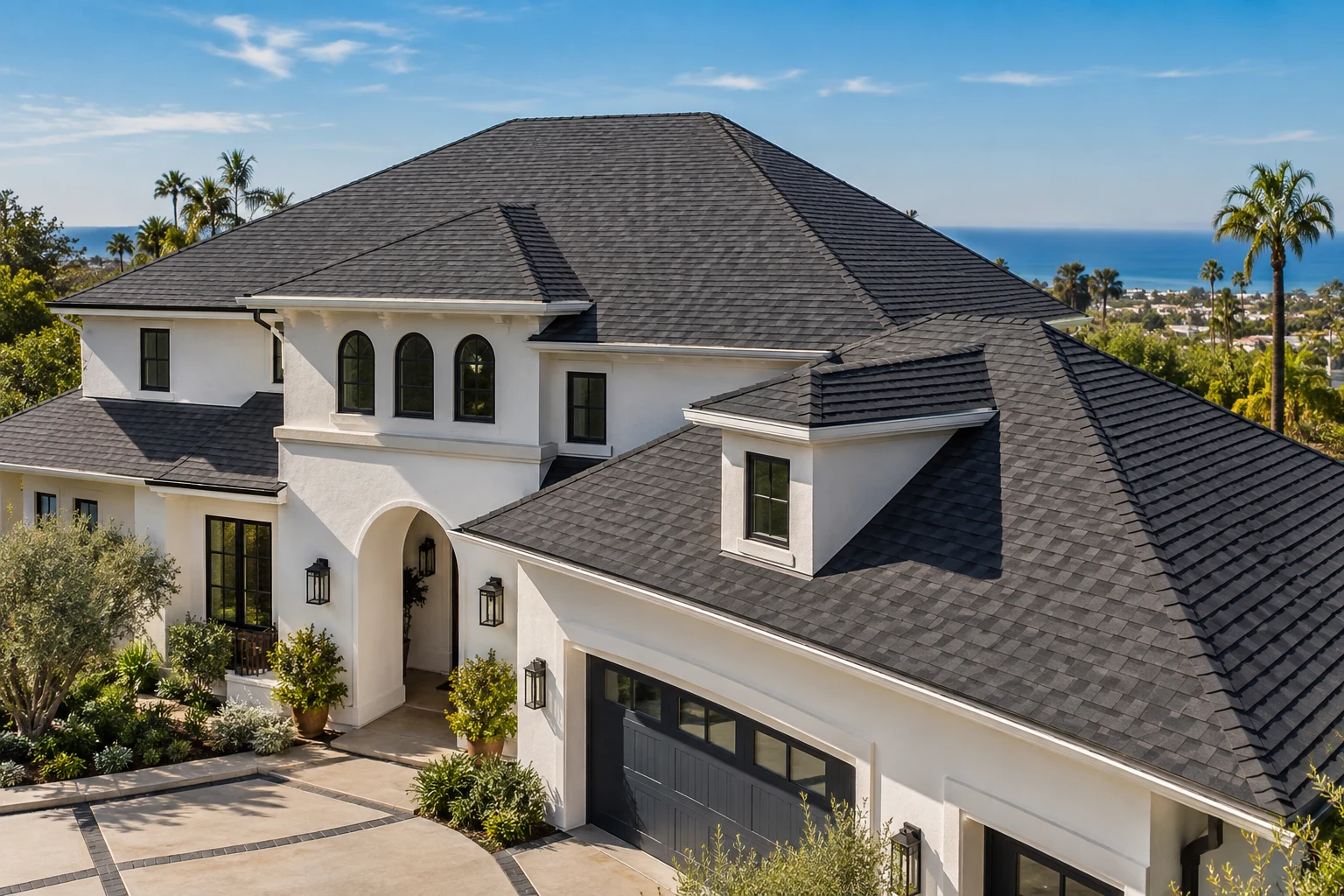
Roof inspection cost in Ontario depends on what the inspection needs to uncover. At All Star Roof Replacement, the main goal is not just to point out a stain or a few damaged tiles. It is to determine whether the roof still has usable life left or whether the real problem is deeper system failure. For a broader look at local conditions and service coverage, you can review our Ontario roof replacement service area page.
The direct answer is this: a basic visual roof inspection usually costs less than a replacement-focused inspection because the scope is different. If you are trying to understand whether repeated repairs are still worth doing, the inspection has to go beyond the surface and evaluate the full roofing system.
What Roof Inspection Cost Really Means
Most homeowners asking about roof inspection cost in Ontario are really trying to answer a bigger question. They want to know if the leak is isolated, if their roof is simply aging, or if they are dealing with a system that is wearing out underneath the visible material.
That is an important distinction in this area. A roof inspection is not just a quick look at shingles or tile from the ground. A useful inspection should account for roof age, heat exposure, underlayment condition, flashing details, ventilation, previous repairs, and signs that the decking may be affected.
The simple answer is that inspection cost follows inspection depth. If all you need is a basic visual opinion, that is one level. If you need clarity on whether the roof should be repaired again or fully replaced, the inspection has to be more thorough.
All Star Roof Replacement approaches inspections with that decision in mind. We use satellite measurements and visual inspection to understand the roof layout and evaluate the system more accurately. We do not guess from the driveway, and we do not reduce a roofing problem to just the outer material.
Why This Problem Happens in Ontario
Ontario roofs deal with inland Southern California conditions, not coastal conditions. That matters. The combination of high summer heat, strong UV exposure, long dry periods, and sudden seasonal rain puts constant stress on roofing systems.
In practical terms, Ontario roofs expand in the heat and contract when temperatures drop at night. That movement slowly wears out sealants, flashing connections, underlayment, and fastening points. On shingle roofs, the sun dries out the asphalt and causes granule loss. On tile roofs, the tiles may still look fine from the street while the underlayment underneath is already near the end of its life.
The direct answer is this: in Ontario, many roof problems start below the surface because heat ages the waterproofing system before the outer roof covering looks completely worn out.
In homes across Ontario, we often see roofs that appear acceptable from curb level but are already showing signs of broader failure once inspected closely. This is especially common on homes with roofs in the 15 to 30 year range, which covers a large portion of Ontario’s older neighborhoods and late-20th-century housing developments.
Many homeowners don’t realize that inland heat can shorten the useful life of roofing components even when there has not been a major storm. A roof does not need dramatic visible damage to be declining. Ongoing heat and UV exposure can be enough to dry out underlayment, weaken flashing details, and reduce overall system performance.
Why a Cheap or Superficial Inspection Often Misses the Real Issue
If the inspection only focuses on cracked tiles, missing shingles, or one visible leak stain, it can miss the reason the problem keeps coming back. That is where homeowners end up spending on repeated minor repairs while the actual roof system continues to deteriorate.
A common issue during inspections is finding roofs that have already been patched in multiple places, but the leak path is still active because the real failure is in the underlayment, the flashing layout, or the ventilation balance. On older tile roofs in Ontario, this happens often. The tile is not always the problem. The system beneath it is.
The answer homeowners need is not just where water showed up. They need to know why it got there and whether the roof still makes sense to keep repairing.
This is why roof inspection cost should be looked at as part of decision-making, not just as a line item. A low-cost inspection that does not identify hidden failure may not save money if it leads to the wrong repair decision.
What a Real Roof Inspection Should Evaluate
A proper roof inspection in Ontario should tell you more than whether the roof has visible wear. It should help answer whether the system is still dependable in Southern California heat and whether replacement is becoming the more responsible option.
That includes checking for:
- Age-related deterioration of the roofing system
- Signs of underlayment failure beneath tile or shingles
- Granule loss, brittleness, curling, or cracking on shingle roofs
- Broken, slipped, or displaced tile and what caused it
- Flashing wear around penetrations, valleys, and transitions
- Soft spots or visible evidence of damaged decking
- Poor attic ventilation contributing to heat buildup
- Evidence of poor previous installation
The direct answer is this: the inspection should explain the condition of the full system, not just the top layer.
Installation quality matters just as much as material choice. A roof with decent materials can still fail early if it was installed with shortcuts. In homes across Ontario, we often see aging roofs where the visible issue is only part of the story because the original installation did not properly account for ventilation, flashing transitions, or long-term heat exposure.
How Ontario’s Climate Affects Inspection Findings
Ontario is not especially hard on roofs because of constant rain. It is hard on roofs because of prolonged sun, thermal stress, and the way heat quietly breaks down materials over time. Then, when seasonal rain finally arrives, the weak points show up fast.
This is one reason homeowners are often surprised by inspection results. They may not have seen obvious leak activity during dry months, but the roof may already be compromised. Once water finally tests those aged areas, the symptoms appear inside the house.
The clear answer is that roofing problems in Ontario are often developing long before the first ceiling stain appears.
Many homeowners don’t realize the roof also affects cooling performance. When roofing components age, ventilation is poor, or the system no longer reflects or sheds heat the way it should, attic temperatures rise. That can make rooms feel uneven and push air conditioning systems to work harder. If you are already looking into energy-efficient roofing in Ontario, the inspection should also evaluate how the current roof may be contributing to indoor heat and higher utility use.
Why Roof Age Changes the Inspection Question
On a newer roof with isolated damage, an inspection may support a targeted fix. On an older roof, the same symptom can mean something very different. Age changes the conversation from “where is the problem?” to “how much life is really left in this system?”
That is especially relevant in Ontario neighborhoods with roofs installed during the city’s growth cycles in the 1990s and early 2000s. Many of those roofs are now in the range where underlayment fatigue, flashing wear, and heat-related deterioration become more common.
The direct answer is this: once a roof is in the 15 to 30+ year range, inspection findings have to be interpreted as part of overall system condition, not as isolated defects.
A common issue during inspections is a homeowner expecting a simple repair because only one leak is visible. After inspection, it becomes clear that the roof has widespread age wear, prior patching, and multiple vulnerable areas. At that point, the inspection is no longer just about today’s leak. It is about whether continued repair spending makes sense at all.
If you are weighing that exact question, our page on roof repair or replacement in Ontario explains how to think through that decision more clearly.
What Happens If You Ignore Unclear Roof Conditions
Roofing problems rarely stay the same. If the issue is system failure rather than surface damage, time usually makes the scope larger. Water intrusion can spread. Decking damage can increase. Ventilation problems continue driving attic heat. Repeated patching can add cost without solving the cause.
That does not mean every inspection result requires immediate replacement. It does mean delays should be informed delays, not uncertain ones. The longer a failing roof system is left unresolved, the more likely it is that the eventual work becomes broader and more expensive.
The direct answer is this: delays increase total cost when the underlying system is already failing.
In homes across Ontario, we often see manageable roof replacement projects become larger because the homeowner spent too long chasing isolated repairs. What started as one leak turned into damaged sheathing, fascia problems, insulation impact, or interior repair needs. That is why clarity early matters.
Inspection Cost and Replacement Planning Are Connected
For many homeowners, roof inspection cost is really part of planning the next major decision. They are not just paying to hear that the roof is old. They want to know what condition it is in, what hidden issues are likely, and what factors will drive replacement scope if that is where things are heading.
That includes roof size, pitch, number of penetrations, material type, number of sections, prior repair history, ventilation condition, and whether tear-off is likely to reveal damaged wood. Every roof is different, and that is why pricing for both inspection and replacement has to be contextual.
The answer is simple: a good inspection reduces uncertainty about the bigger cost ahead.
That is also why replacement-focused inspections are more valuable than a surface-only review. If the inspection identifies likely underlayment failure, poor ventilation, or signs of hidden deck damage, you are in a much better position to understand future scope. If you want to compare the bigger picture, our Ontario roof replacement cost page breaks down the factors that usually affect pricing.
When Inspection Findings Usually Point Toward Replacement
An inspection often starts pointing toward replacement when the roof has recurring leaks, widespread age wear, multiple prior repairs, heat-related deterioration, or evidence that the visible material is no longer the main issue. This is especially true when the roof has reached the stage where one repair does not meaningfully improve overall reliability.
Many homeowners don’t realize that a tile roof can need replacement work even when many of the tiles are still usable. In Ontario, the outer tile can outlast the waterproofing layer beneath it. That is why a proper inspection needs to distinguish between cosmetic surface appearance and the actual condition of the system.
The direct answer is this: if the inspection shows multiple weak points across the roof system, replacement becomes a planning discussion, not just a repair discussion.
All Star Roof Replacement focuses on that level of clarity. We evaluate the full roofing system, identify visible and hidden concerns, and explain what the roof actually needs before recommending replacement. That helps homeowners in Ontario make informed decisions based on condition, not guesswork.
How Inspection Cost Connects to Replacement Cost
The direct answer is this: roof inspection cost matters most when it helps you avoid making the wrong larger decision. In Ontario, a good inspection can save far more than it costs if it shows that repeated repairs are no longer solving the actual problem.
Many homeowners start by asking what an inspection costs, but what they really need to know is what the roof is likely heading toward. If the inspection reveals isolated damage on a younger roof, that points one way. If it reveals system-wide age, worn underlayment, poor ventilation, and signs of failed prior work, that points another way.
For replacement planning, smaller homes can sometimes fall into a broad range around $8,000 to $15,000+ depending on layout, material choice, ventilation needs, and tear-off conditions. Full replacement projects on more typical Ontario homes often land somewhere in the $15,000 to $30,000+ range, with higher numbers possible for tile systems, steep sections, complex rooflines, or significant wood repairs.
Those are not fixed prices, and they should not be treated that way. Every roof is different. Final cost depends on roof size, number of sections, material type, how much tear-off is involved, whether damaged decking is found, and whether ventilation or code-related upgrades are needed. If you want a more detailed breakdown of those variables, our page on roof cost per square in Ontario explains how contractors typically think about pricing.
At All Star Roof Replacement, inspections are meant to reduce uncertainty before that larger replacement conversation happens. We evaluate the roof as a system so homeowners understand not just what is visible today, but what is likely driving future cost.
What Often Drives Roof Inspection Findings Higher Than Expected
The short answer is that visible roofing material is only one part of the job. In Ontario, inspection findings often expand once the roof is evaluated as a full system rather than as a few surface symptoms.
A common issue during inspections is a homeowner seeing a few broken tiles or one leak stain and assuming the needed work is limited. Once the roof is examined more closely, the real concerns may include brittle underlayment, old flashing details, weak ventilation, or evidence that prior repairs were only temporary.
In homes across Ontario, we often see tile roofs where the tile still looks serviceable from the street, but the waterproofing layer underneath is near failure. That is one of the most important local realities. On many Southern California homes, the outer tile outlasts the layer that actually keeps water out.
On shingle roofs, the same principle applies in a different way. Granule loss, dried sealant lines, curling edges, and heat fatigue may tell you that the roof is aging. But the real decision comes from how widespread that wear is, how the flashing is holding up, and whether the deck and ventilation system still support reliable performance.
When inspection findings are more involved, replacement cost usually follows because the work has to address more than the exposed covering. That can include:
- Removing failed roofing material or lifting and relaying tile where appropriate
- Replacing old or heat-damaged underlayment
- Repairing damaged or softened roof decking
- Updating flashing at penetrations, walls, and valleys
- Correcting poor ventilation that traps attic heat
- Bringing the new roof system into current code compliance where required
The practical answer is that inspection cost is tied to how clearly it helps identify these factors before replacement work begins. Without that clarity, homeowners are left comparing numbers without understanding scope.
Why Ontario Homeowners Need More Than a Surface-Level Price
The answer is simple: a cheap answer is not always a useful answer. If an inspection only confirms that the roof looks old, it does not help much when the real question is whether replacement is necessary now or can be planned later.
Ontario homes vary a lot more than people think. Some neighborhoods have older shingle systems with heavy sun exposure and multiple prior repairs. Others have concrete tile systems entering the underlayment replacement window. Roof geometry also changes a lot from tract home to tract home, especially once you factor in valleys, attached garages, add-ons, skylights, chimney transitions, and solar-related penetrations.
That means inspection findings have to be interpreted in context. A basic roof with one problem area may be straightforward. A roof with multiple slopes, past patchwork, uneven ventilation, and signs of hidden moisture is not. This is one reason not all contractors are equal. Some only address what is easiest to see. All Star Roof Replacement focuses on identifying what is actually affecting the roof system.
Many homeowners also want to know whether the current roof is affecting energy use. In Ontario’s inland heat, that is a fair question. Poor ventilation, aging materials, and heat-saturated roof assemblies can make attic temperatures climb and force the AC system to work harder. If that is part of what you are dealing with, our page on reducing heat with roofing in Ontario explains how roof design and replacement choices can improve comfort.
How Materials Influence What the Inspection Is Really Telling You
The direct answer is this: the roofing material matters, but the condition of the whole system matters more. A good inspection should tell you whether the material is the problem, or whether the failure is happening underneath it.
On Ontario homes, shingles and tile are the most common steep-slope residential systems. Each behaves differently in Southern California heat. Shingles tend to show aging more visibly through granule loss, brittleness, curling, and exposed wear. Tile often hides aging better because the tiles themselves may remain in decent shape long after the underlayment starts breaking down.
That is why homeowners should be careful about judging roof condition from the street. Surface appearance can be misleading. A tile roof can look fine and still be near the point where replacement work makes more sense than continued leak chasing.
When material selection becomes part of the replacement discussion, the inspection should also help you think ahead. Are you trying to keep the existing tile profile if possible? Are you considering reflective shingles? Does the current roof have enough ventilation to support the next system properly? Our page on the best roofing materials for Ontario homes goes deeper into which options tend to make sense in this climate.
Installation quality has to stay part of that conversation. Poor installation leads to long-term issues no matter what material is chosen. We often find roofs where the materials were not the main reason for failure. The bigger issue was flashing done poorly, shortcuts in the underlayment, or ventilation that was never balanced correctly.
What a Replacement-Focused Inspection Should Help You Decide
The short answer is that a useful inspection should make the next step clearer. It should tell you whether repair still has a place, whether replacement should be planned soon, and what factors are likely to shape the scope.
At this stage, homeowners are usually trying to answer a few practical questions:
- Is this roof still dependable through another Ontario summer and rainy season?
- Are repairs solving the cause or only the symptom?
- Would replacement now avoid higher cost later?
- What kind of replacement system would fit the house and climate best?
Those are the right questions. A roof replacement is not just buying new material. It is rebuilding the roof system so the home has dependable waterproofing, proper ventilation, and a better long-term answer than repeated patchwork. If you want to understand how that work typically unfolds, our page on the roof replacement process in Ontario walks through the steps in plain language.
All Star Roof Replacement approaches inspections with that bigger decision in mind. We use satellite measurements and visual inspection, identify likely hidden issues, and explain what we see before recommending replacement. That gives homeowners a more solid basis for planning, especially when the roof is already in the 15 to 30+ year range.
Decision Clarity: When Replacement Makes More Sense Than Repair
The direct answer is this: replacement usually makes more sense when the roof has recurring leaks, broad age-related wear, repeated repair history, or signs that the failure is in the system and not just one spot. In those cases, another patch often delays the real fix without improving reliability much.
Repair can still make sense on a relatively newer roof with isolated damage. But that is different from an older Ontario roof that has already been patched in several places, is showing heat wear, and is starting to fail in more than one area. Once a roof reaches that stage, continued repair spending often becomes less efficient.
A good decision usually looks like this:
- You understand whether the problem is isolated or systemic
- You know how much useful life is realistically left
- You know whether delay is reasonable or likely to increase total cost
- You have a clear picture of what replacement scope may involve
What happens if you delay? Sometimes nothing immediate. But if the roof is already failing internally, delaying increases cost because damage may already be worse than visible. What looks like a manageable roof project can become a larger one if the decking, fascia, insulation, or interior finishes are affected over time.
In homes across Ontario, we often see homeowners spend through several repair visits before deciding to replace, only to find that the replacement now includes more wood work than it would have earlier. That is not about pressure. It is just how roofing problems tend to progress when the actual failure point has already moved below the surface.
If you are still weighing the options, our page on signs you need a new roof in Ontario can help you compare what you are seeing at home with the kinds of conditions that usually point toward replacement.
Frequently Asked Questions
How much does a roof inspection cost in Ontario, CA?
Roof inspection cost in Ontario depends on how detailed the inspection needs to be. A basic visual inspection is different from a replacement-focused inspection that looks at the full roofing system, including underlayment condition, ventilation, flashing, and signs of hidden failure.
If the goal is simply to document visible issues, cost is usually lower. If the goal is to determine whether repair or replacement makes more sense, the scope is broader and the value comes from getting a clearer answer.
How much does a roof replacement usually cost after an inspection?
Smaller homes can sometimes fall in the $8,000 to $15,000+ range, while many full roof replacement projects in Ontario fall around $15,000 to $30,000+ depending on material, roof size, complexity, tear-off conditions, and any wood or ventilation work found during the project.
Those are broad planning ranges only. Final cost depends on the actual roof condition and what the inspection reveals about the system underneath the surface.
How do I know if I should repair or replace my roof?
If the roof is newer and the damage is truly isolated, repair may still make sense. If the roof is older, has leaked more than once, has already been patched repeatedly, or is showing broader wear, replacement often becomes the more practical option.
The key is understanding whether the issue is local or systemic. Our page on whether reroofing is worth it in Ontario also explains why covering over an aging roof usually does not solve the deeper problem.
How long does a roof usually last in Ontario?
Roof lifespan in Ontario depends heavily on material, installation quality, ventilation, and how much heat exposure the roof has taken over time. Inland Southern California conditions are hard on roofing systems because of UV intensity, thermal movement, and long hot seasons.
Shingle roofs often age faster than homeowners expect, while tile roofs may keep their appearance longer even when the underlayment underneath is nearing failure. For a fuller explanation, see our page on roof lifespan in Ontario.
How long does roof replacement take in Ontario?
Most residential roof replacement projects take a few days of on-site work once construction begins, but the full timeline can vary based on roof complexity, weather, permit timing, material type, and any hidden wood repairs discovered during tear-off.
The best expectation is that every roof is different. If you want a better sense of how scheduling and construction phases usually work, our page on roof replacement timeline in Ontario explains that process.
Does a roof inspection help with energy-efficiency decisions?
Yes. In Ontario, roof inspections often reveal ventilation problems, heat-related deterioration, and aging materials that are contributing to hot attic conditions and uneven indoor comfort.
If lowering heat gain is part of your goal, inspection findings can help determine whether a cool roof or better-performing replacement system would make sense. You can learn more on our Ontario cool roof page.
What if I already have an active roof leak?
If water is actively entering the home, the first step is containment and safety. Protect belongings, catch water, and avoid getting on the roof yourself, especially during wet conditions.
After that, the important question is whether the leak is a one-time issue or evidence of broader system failure. Our page on what to do about a roof leak in Ontario covers the immediate next steps.
Get Clear Answers About Your Roof
If you are trying to understand roof inspection cost in Ontario because you need a real answer about repair versus replacement, All Star Roof Replacement can help you evaluate the full roofing system and explain what your roof actually needs. We look beyond the surface, identify hidden issues when they are present, and give homeowners clear information before recommending replacement.
To talk with All Star Roof Replacement, call (310) 729-3013, email teamallstarconstruction@gmail.com, or reach out through our contact page.
Licensed • Insured • Owens Corning Preferred Contractor • CA License #1009760